


Architectural Vision Unveiled for Brisbane’s 2032 Olympic National Aquatic Centre
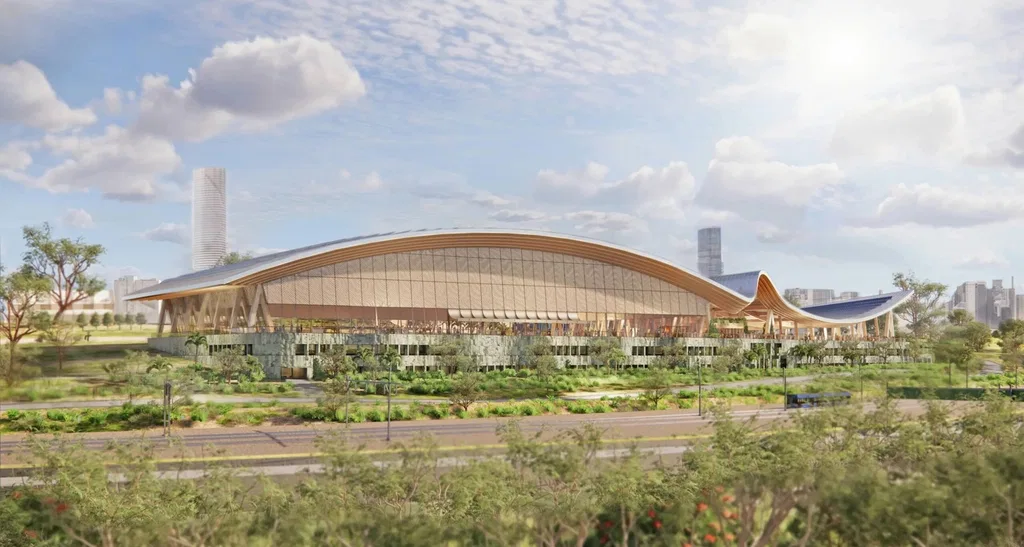
Marking exactly six years until the opening ceremony, the Queensland Government has unveiled the architectural design for the Brisbane National Aquatic Centre, a landmark centerpiece venue for the 2032 Olympic and Paralympic Games.
A design consortium comprising ARM Architecture, NH Architecture, and Queensland-based practice Arkhefield, assisted by specialist architect Liquid Blu, has been appointed to transform the heritage-listed Centenary Pool site at Spring Hill into a world-class venue hosting swimming, diving, water polo, and artistic swimming during the Games. Procurement is moving forward rapidly, with four contractors currently shortlisted and a preferred builder slated for selection in early 2027 following early works commencing after the Games Independent Infrastructure and Coordination Authority takes possession of the site on September 1.
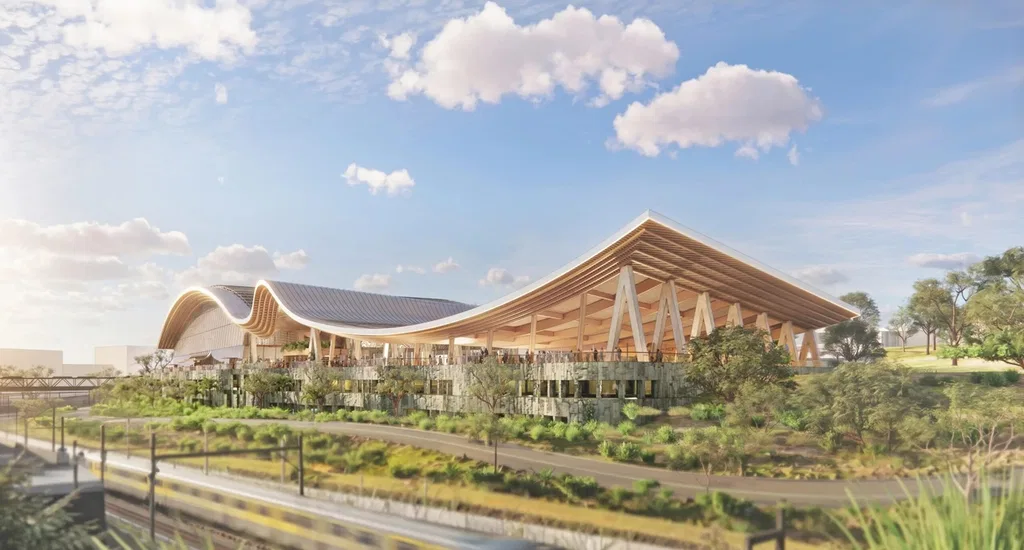
Positioned as one of 17 new and upgraded sporting facilities within the Brisbane 2032 Delivery Plan, the project aims to deliver long-term commercial and community value.
Emphasising the importance of the infrastructure investment, Queensland Premier, Hon. David Crisafulli, said: “in six years’ time, the Olympic and Paralympic Games are coming to Queensland, and we will be ready.”
“The eyes of the world will be on us in 2032, but this is about delivering legacy benefits for all of Queensland well beyond that,” Hon Crisafulli said.
Praising the winning concept for reflecting the region’s character, chairman of the Games Independent Infrastructure and Coordination Authority and head of the Design Evaluation Panel, Stephen Conry, added: “Ultimately, it was ARM Architecture, NH Architecture and Arkhefield’s design for a Centre inspired by the movement of water, cleverly positioned into the landscape, that we felt best reflected the natural beauty of Brisbane.”
“GIICA is committed to delivering transformational infrastructure that will benefit Queenslanders for generations, and I am confident the National Aquatic Centre and new Brisbane Stadium in Victoria Park will be outstanding landmarks for our city and among our most popular public spaces,” Conry noted.
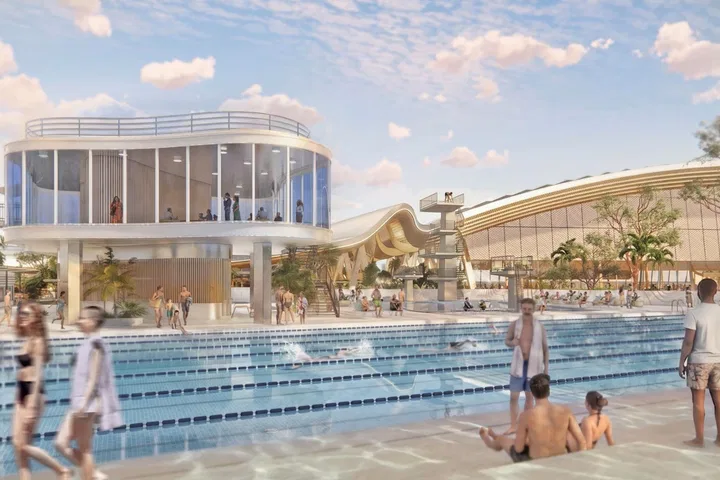
Beyond competition, the facility will function as a national training hub and community asset.
Swimming Australia CEO, Rob Woodhouse, welcomed the long-term strategic advantages.
“The National Aquatic Centre will deliver long term benefits for Australia’s aquatic sports and the community as a world-leading venue capable of supporting major aquatics events and high-performance training alongside community access year-round,” he said.
While current plans outline a permanent legacy capacity of around 8,000 spectators alongside a temporary Games capacity exceeding 25,000, officials continue reviewing project budgets and seating configurations to ensure fiscal and operational efficiency.
Don’t miss out on the latest in sports business – Subscribe today to the free Ministry of Sport newsletter and stay ahead of the game. For even more exclusive insights, event tickets, professional development and networking events, become a MoS Member today!.
Latest News




Similar Stories
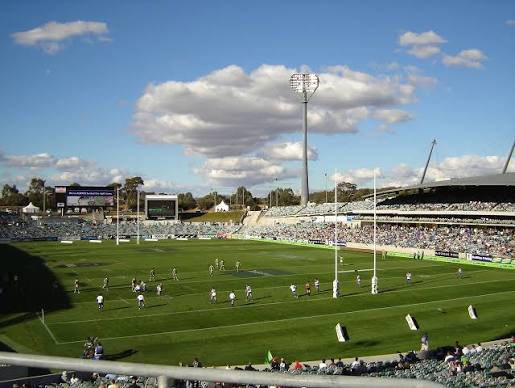
Proposed $500M+ Canberra Stadium Sparks Commercial Debate Over Multi-Code Utility
Plans for a state-of-the-art, 30,000-seat stadium on the north shore of Lake Burley...
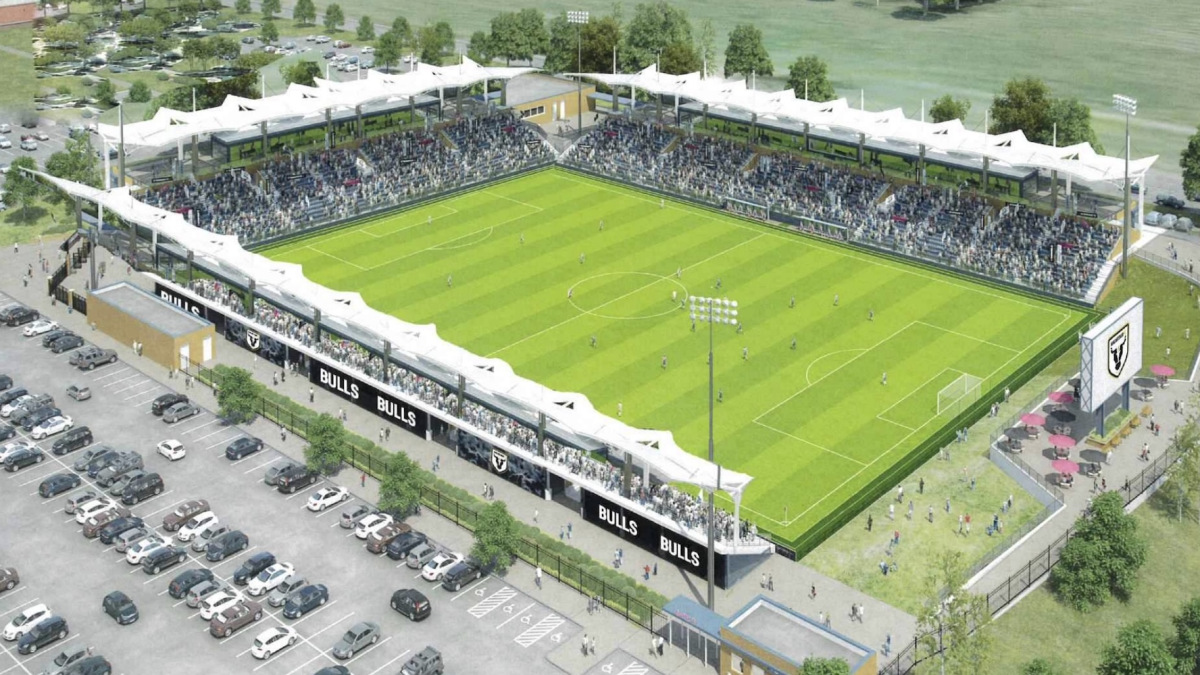
Macarthur FC Proposes $20 Million Modular Stadium at Oran Park as Camden Council Weighs Infrastructure Options
A-League Men club Macarthur FC has submitted a proposal for a $20 million...
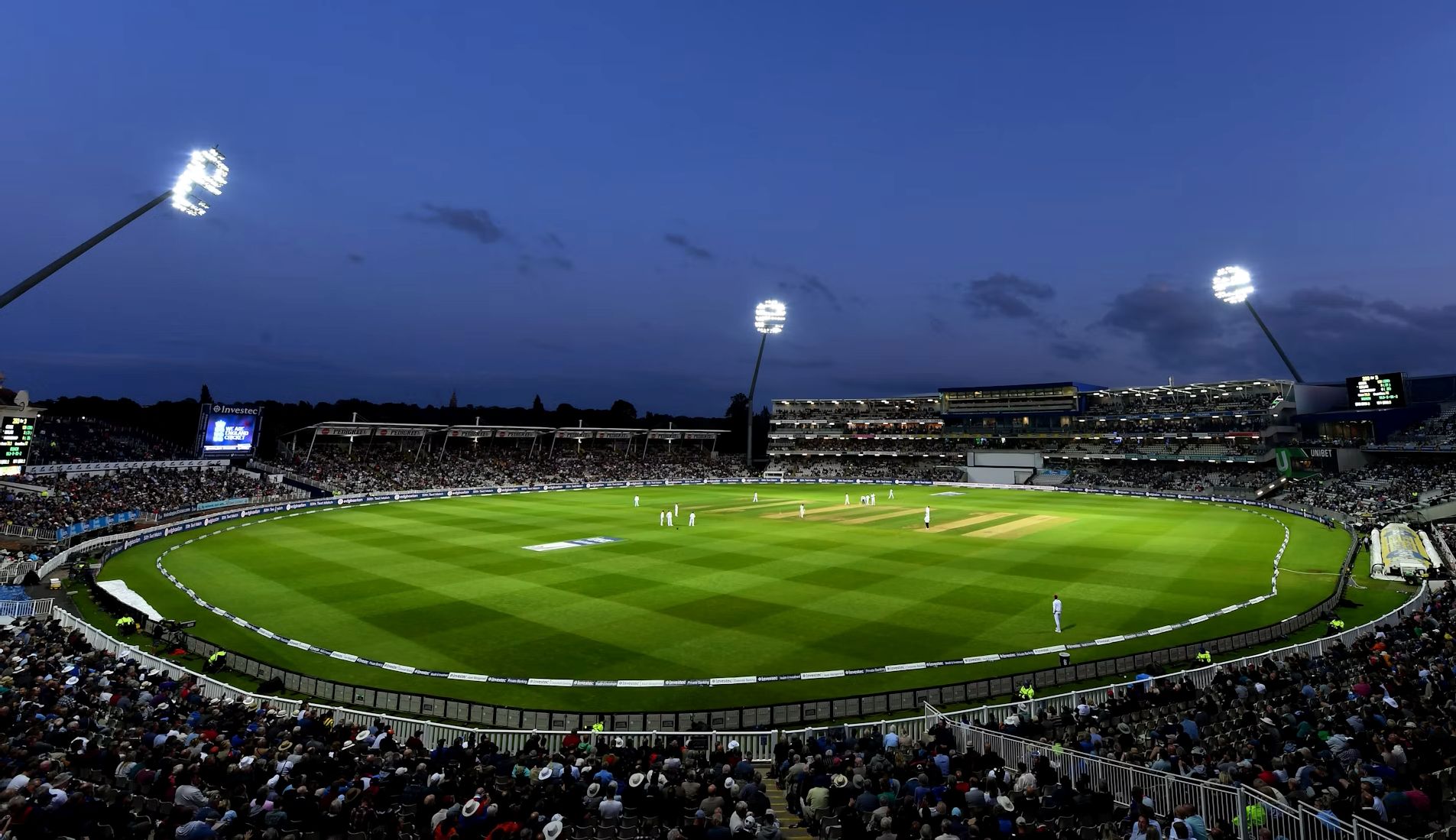
ICC Delays World Club Championship Plans Following Resistance from Cricket’s Big Three
The International Cricket Council (ICC) has shelved plans to introduce a World Club...
It's free to join the team!
Join the most engaged community in the Sports Business World.
Get all the latest news, insights, data, education and event updates.