


Proposed $500M+ Canberra Stadium Sparks Commercial Debate Over Multi-Code Utility
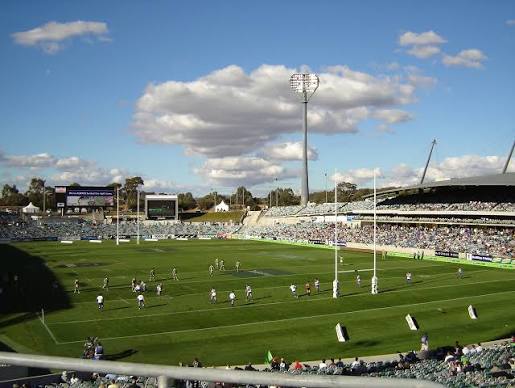
Plans for a state-of-the-art, 30,000-seat stadium on the north shore of Lake Burley Griffin have ignited a fierce commercial and strategic debate across the Australian capital, as stakeholders clash over whether the proposed multi-million-dollar venue should accommodate oval-ball sports alongside traditional rectangular codes.
The ambitious proposal, brought forward by a consortium of business leaders, takes inspiration from Christchurch’s newly opened One New Zealand Stadium which cost approximately $531 million AUD to build. Aiming for a completion target by 2030, the project seeks to replace the ageing, 48-year-old GIO Stadium in Bruce, which currently serves as the home ground for the NRL’s Canberra Raiders and Super Rugby’s ACT Brumbies. While the private consortium has floated the lakeside location at Regatta Place, the delivery model requires either private equity backing or a joint venture across federal and territory government levels.
Strategic divisions have quickly emerged over the venue’s core commercial utility. ACT Chief Minister Andrew Barr has publicly advocated for expanding the facility’s design parameters to encompass Australian rules football and cricket, arguing that a multi-purpose configuration would maximise capital return on investment and event scheduling.
“I think they should also consider its configuration to allow it to host cricket and AFL. That would give another 12 events a year at least,” Andrew Barr stated.
However, key sporting administrators have pushed back against a hybrid oval-rectangular model, warning that compromises to the playing surface would dilute the spectator experience for rugby league, rugby union, and football supporters. Cricket ACT chairman Greg Boorer has strongly defended the preservation of Manuka Oval, pointing out the logistical hurdles of trying to engineer a single venue for both rectangular and circular codes.
“I honestly think the best way forward is to have a dedicated rectangular stadium that has the 25,000-30,000 capacity,” Greg Boorer said.
Boorer added that attempting a dual-purpose design creates severe operational complications: “Any bigger than that, it makes it more difficult. If you incorporate that number of seats and also a round playing surface for cricket and AFL, it becomes really challenging.”
Instead, industry experts suggest a dual-venue strategy: developing a modern, specialised facility for rectangular sports while investing in hospitality and seating upgrades at Manuka Oval.
“I think the best solution here is a 25,000-30,000 seat stadium, with or without a roof in that particular location, specifically for rectangular sports,” Boorer noted.
“Then, over time, a modest increase to, say, 20,000 plus improved hospitality at Manuka is the best way forward.
“Manuka’s an absolute national institution that we need and one of the best first class grounds in Australia.
“That needs to be protected and preserved.
“The Australian cricket team, all the Big Bash teams, and the AFL teams love coming to Manuka.
“It’s a great location,” Boorer added.
As feasibility studies progress, the ultimate financial structure and final design will dictate whether Canberra secures a premier multi-code precinct or a specialised rectangular arena ahead of the 2030 target window.
Don’t miss out on the latest in sports business – Subscribe today to the free Ministry of Sport newsletter and stay ahead of the game. For even more exclusive insights, event tickets, professional development and networking events, become a MoS Member today!.
Latest News



Similar Stories
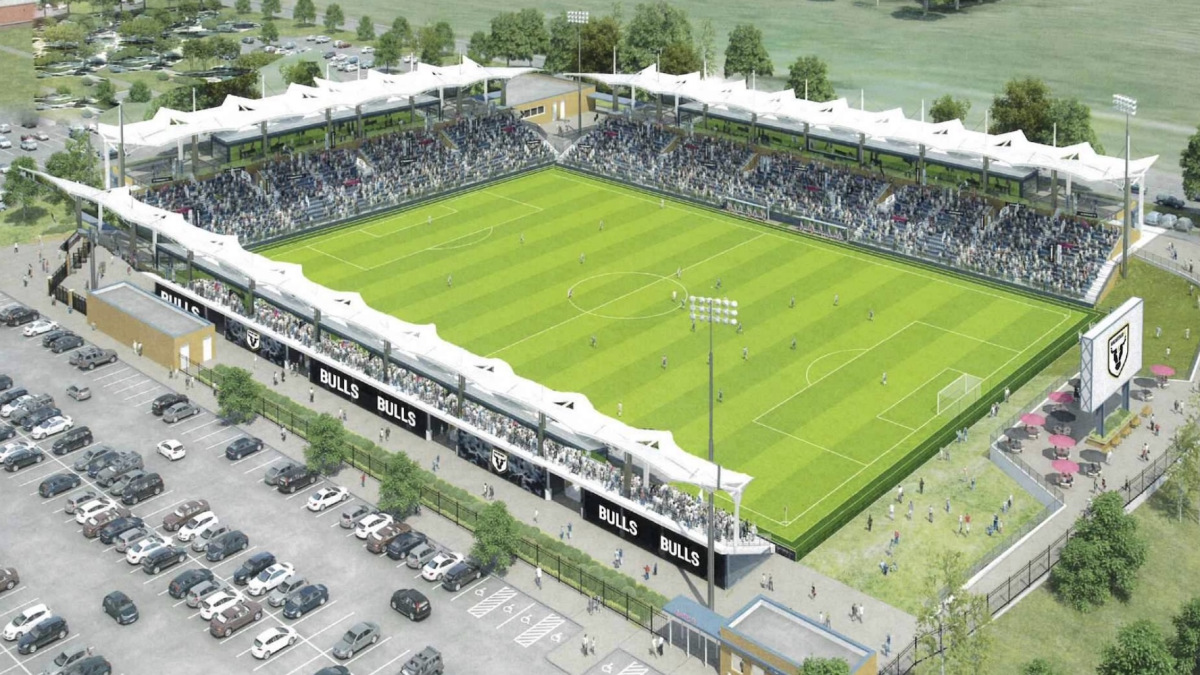
Macarthur FC Proposes $20 Million Modular Stadium at Oran Park as Camden Council Weighs Infrastructure Options
A-League Men club Macarthur FC has submitted a proposal for a $20 million...
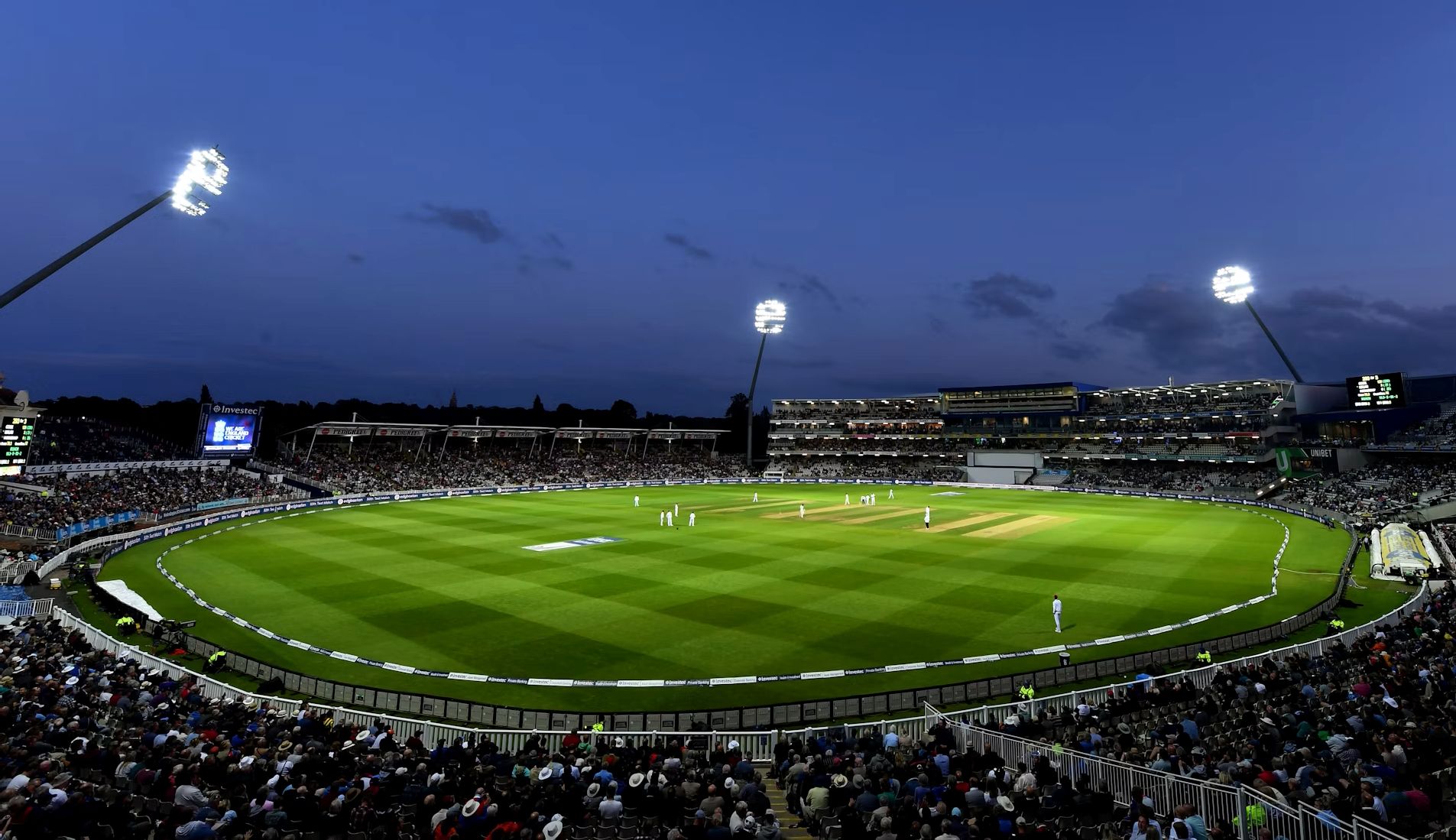
ICC Delays World Club Championship Plans Following Resistance from Cricket’s Big Three
The International Cricket Council (ICC) has shelved plans to introduce a World Club...
NFL and NFPA to Negotiate on Game Agreements for International Expansion Beyond Ten Games
The National Football League (NFL) and its team owners face a hurdle in...
It's free to join the team!
Join the most engaged community in the Sports Business World.
Get all the latest news, insights, data, education and event updates.