Geelong Cats Secure Deal as First AFL Club to Partner with Global Retail Giant JD Sports

The Geelong Cats have announced a landmark agreement with global sports fashion retailer JD Sports as an Elite Partner ahead of the 2026 AFL season.

The Cats will become the inaugural AFL club to wear the globally recognisable JD Roundel, instantly aligning the organisation with major sporting properties across the Premier League, La Liga, and the UFC.

For Geelong, the deal is a calculated effort to aggressively target the youth demographic, connecting the club’s historic legacy with JD Sports’ influential position in contemporary youth culture and streetwear.

JD sports director of marketing, Michael Weatherston, confirmed this focus, stating the partnership provides an opportunity to “be more meaningful to a younger audience”, a vital aim for long-term membership and fan base growth within the AFL.

Geelong Cats COO, Marcus King, emphasised this synergy, expressing excitement to collaborate with JD to foster the connection between the brand and the wider Geelong region.

The commercial terms see JD Sports become the official shorts partner of the Cats, with its logo receiving high-value visibility across the AFL and training playing shorts, training gear, and travel apparel.

This premium placement ensures constant brand exposure across all media touchpoints, providing a substantial revenue injection into the club’s commercial program and expanding its partnership portfolio.

Crucially, the partnership is highlighted by a strong local retail strategy, as the deal follows the recent opening of JD’s first physical store in Geelong, cementing the organisation’s belief in the regional market.

By aligning with the region’s premier sporting club, JD Sports effectively uses the Cats as a powerful community engagement tool to drive local retail traffic and brand affinity.

As JD Sports continues to execute its global strategy of becoming a leading sports fashion powerhouse, this partnership secures a vital first-mover advantage within Australia’s largest sporting code.

Don’t miss out on the latest in sports business – Subscribe today to the free Ministry of Sport newsletter and stay ahead of the game. For even more exclusive insights, event tickets, professional development and networking events, become a MoS Member today!.

SEN Acquires Crown Australian Open Audio Rights

Sports Entertainment Network (SEN) has secured the audio broadcast rights for the 2025 Crown Australian Open golf, confirming its intent to dominate the Australian sports audio market and integrate high-value events into its national content program.

The four-day live coverage from the prestigious Royal Melbourne Golf Club will be broadcast nationally across SEN’s extensive network of stations and digital platforms from December 4 to 7.

The deal is a strategic win for the organisation, which continues to invest heavily in exclusive sports media assets to leverage its “whole of sport” commercial proposition.

Emphasising the strategic value of the premium content acquisition, SEN CEO, Craig Hutchison, said: “We’re thrilled to bring golf fans unparalleled access to one of the most prestigious tournaments on the Australian sporting calendar; the Crown Australian Open.”

“With a world-class field and our expert commentary team on course, SEN will deliver the ultimate listening experience for fans both at Royal Melbourne and across the country,” Hutchison said.

While the specific financial value of the audio rights was not disclosed, securing the rights to an event headlined by global stars like Masters winner Rory McIlroy and local heroes Cam Smith and Adam Scott delivers immense inventory value and prestige.

The high-profile field elevates the event’s recognisable brand value, providing SEN with a premium platform to attract advertisers during a key summer period.

With SEN positioning the golf coverage from 12pm AEDT daily before transitioning its main sports stations to the live broadcast of the second Ashes Test from the Gabba. This back-to-back scheduling allows SEN to create seamless, marathon days of sports content, maximising audience retention and demonstrating strong operating leverage on its largely fixed cost base, a key driver of the organisation’s recent significant underlying EBITDA growth.

Don’t miss out on the latest in sports business – Subscribe today to the free Ministry of Sport newsletter and stay ahead of the game. For even more exclusive insights, event tickets, professional development and networking events, become a MoS Member today!.

Billionaire Michele Kang Commits $55 Million to Research and Youth Development in Women’s Football

Michele Kang, A billionaire sports organisation owner, has formalised one of the largest private investments in women’s sport, pledging USD55 million (AUD83 million) to establish the Kang Women’s Institute and fund grassroots development program.

The commitment is carefully split, with USD25 million (AUD37 million) directed towards the new institute, which operates within U.S. Soccer’s Soccer Forward foundation, and a significant usd30 million (AUD45 million) earmarked specifically for youth sports, coaching development, and player pathways.

For Michele Kang, who made her fortune in healthcare IT, this is both a social mission and a clear business imperative.

She views the funding as “seed capital” designed to foster a sustainable ecosystem.

“We have to make sure that we invest in really showing the clear path,” Kang stated, framing the investment as essential to creating a professional infrastructure that encourages young girls to aspire to careers in football.

The commercial and strategy behind the investment is directly tackling the widely cited research gap, where only six per cent of global sports science focuses on women.

By creating a dedicated research hub, the initiative aims to professionalise training standards and reduce injury rates, a costly burden for clubs, by developing evidence-based protocols across areas like ACL injury recovery, performance factors tied to menstrual cycles, and postpartum return-to-play.

The goal is to move beyond the current practice of treating female athletes as “small men,” as highlighted by U.S. Women’s National Team coach and advisor Emma Hayes.

Of key commercial relevance is the $30 million (AUD45 million) allocation for youth and coaching program. This funding targets the critical challenges in youth sports, particularly the drop-off of girls around age 12.

By establishing research-backed standards for coaching certification and developing tools to handle body confidence and physiological challenges, the investment aims to secure the future pipeline of talent for professional leagues, ensuring American clubs like Kang’s Washington Spirit, London City Lionesses, and OL Lyonnes retain elite players who might otherwise seek opportunities in Europe.

The organisation’s collaboration with the NWSL and USL to co-create these standards means that data generated by the Institute will quickly translate into tangible operational frameworks for youth soccer organisations across the country.

This systemic approach is set to reshape grassroots player health and development program, leveraging the USD55 million (AUD83 million) commitment to turn scientific equity into a competitive advantage for the entire women’s game.

Don’t miss out on the latest in sports business – Subscribe today to the free Ministry of Sport newsletter and stay ahead of the game. For even more exclusive insights, event tickets, professional development and networking events, become a MoS Member today!.

Tasmania FC Appoint Matthew Knights as Inaugural Academy Development Coach

The Tasmania FC has announced the appointment of highly recognisable AFL figure, Matthew Knights, as the inaugural Academy Development Coach.

Knights, who commenced this week, brings over 20 years of elite coaching experience and a reputation as a leading development mentor, cementing the new club’s commitment to establishing a “first-class pathway and high-performance program for Tasmanian talent.”

Commenting on Knights appointment, Tasmania Football Club head of football operations, Aaron Pidgeon, said: “Matthew is a leading development coach in the AFL, and his appointment is a real coup for our club and more importantly, athletes that will be a part of our club now and into the future.”

He further noted that Knights’ skills will be “instrumental in the establishment and operation” of the Academy, reflecting the high value placed on his intellectual property and expertise.

This foundational coaching acquisition is considered a success, directly addressing the core list-building challenges facing the AFL’s newest franchise. By installing a figure of Knights’ stature—who has held roles including VFL Premiership coach and AFL senior coach at Essendon, Tasmania FC immediately elevates the credibility and standard of its forthcoming Academy.

The Academy is hinged to the club’s long-term success, serving as the critical pipeline for securing local talent through priority access concessions, thereby minimising reliance on trade and free agency capital during the initial list construction phase.

Knights’ resume, which includes a VFL Premiership with Geelong and recent experience as Forwards Coach at West Coast, highlights his capacity to build and operate high-performing systems.

This varied coaching background, balancing senior experience with grassroots development, is essential for shaping the holistic program that must attract, develop, and retain the best Tasmanian footballers before they are eligible for the national draft.

The appointment signifies the organisation’s dedication to investing heavily in the state’s football infrastructure ahead of its debut season.

Don’t miss out on the latest in sports business – Subscribe today to the free Ministry of Sport newsletter and stay ahead of the game. For even more exclusive insights, event tickets, professional development and networking events, become a MoS Member today!.
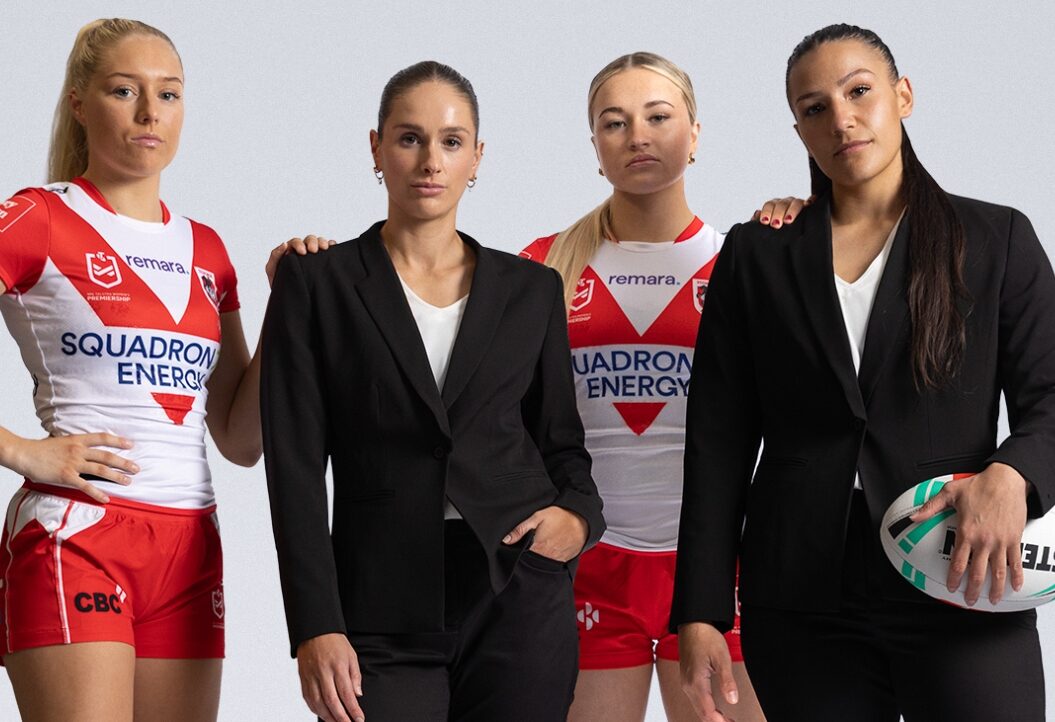
Dina Uniforms Joins Forces with South Sydney Rabbitohs as Official Suiting Partner

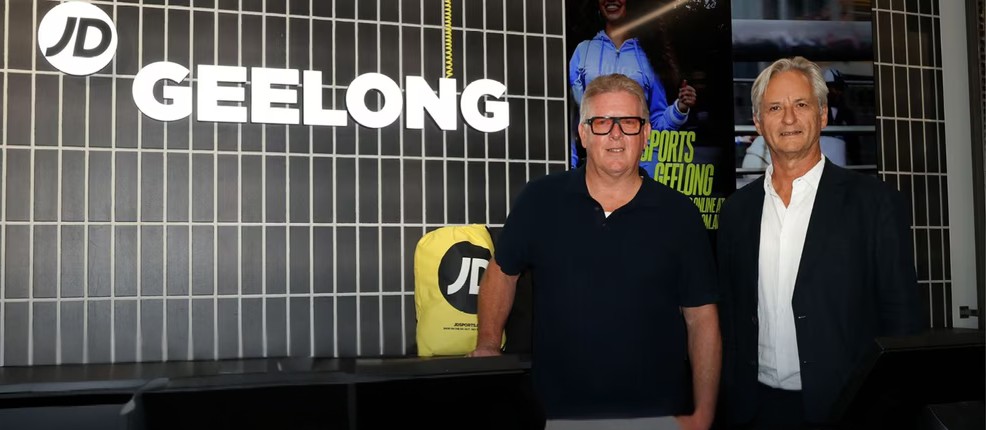
The South Sydney Rabbitohs have expanded their apparel program through a new partnership, naming Dina Uniforms as the club’s official suiting partner.

This partnership capitalises on the existing long-term relationship with Dina’s sister brand, Classic Sportswear, ensuring seamless cultural and aesthetic alignment between the Rabbitohs’ on-field and off-field corporate identity beginning with the 2026 season.

Commenting on the partnership, and highlighting the strategic benefit of integrating partners, Rabbitohs CEO, Blake Solly, said: “We have worked closely with the team at Classic Sportswear for a number of years now, so when the opportunity came up to partner with their sister brand in Dina, we jumped at the chance.”

The collaboration is designed to boost the proven success and deep understanding of the club’s style DNA held within the broader Dina Uniforms Group, which serves as the ultimate guarantee of brand consistency.

The partnership represents an investment in the club’s professional image, with the new off-field attire designed to meet the rigours of elite sport. Solly confirmed the new suits incorporate performance fabric technology to handle the constant demands of travel and media commitments, ensuring players maintain a sharp, professional appearance in all corporate settings.

In addition, the design process was player-led, securing essential buy-in and ensuring the suits function as a practical tool for team presentation.

Managing director at Dina Uniforms, Warren Carney, noted that involving a player working group was a “total game changer,” ensuring the garments were genuinely tailored to the team’s needs.

For Dina Uniforms, securing a partnership with a premier NRL franchise elevates their commercial profile within the elite sports sector, showcasing their capacity to deliver high-end, customised apparel.

By investing the prestige of the Rabbitohs brand, Dina strengthens its position alongside other respected Australian organisations it outfits, demonstrating that their commitment to bespoke quality extends from corporate leaders to professional sporting clubs.

The new off-field look will debut when the squad assembles for pre-season training, marking the beginning of this strategically integrated programme.

Don’t miss out on the latest in sports business – Subscribe today to the free Ministry of Sport newsletter and stay ahead of the game. For even more exclusive insights, event tickets, professional development and networking events, become a MoS Member today!.

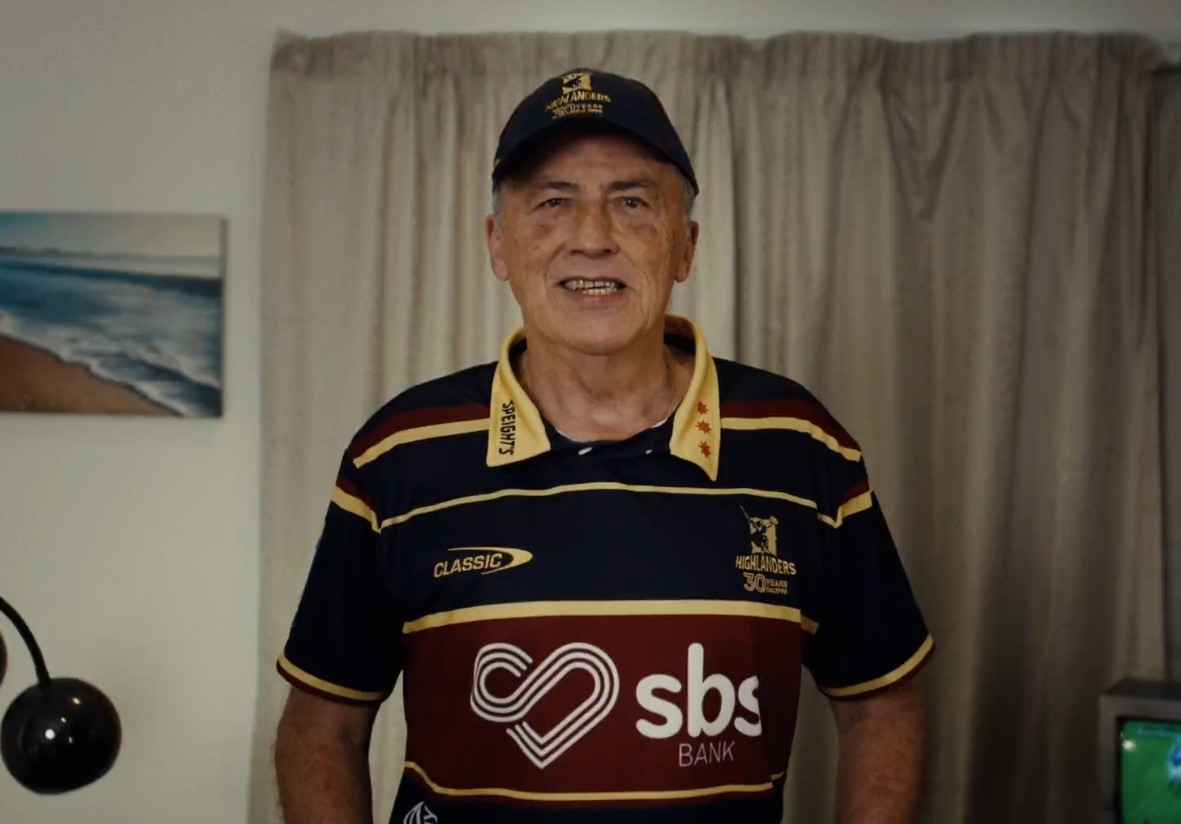
New Zealand Super Rugby Pacific Clubs Unveil Heritage Jerseys and 2026 Kits to Celebrate 30 Years

The five New Zealand Super Rugby Pacific franchises have released a major commercial play, launching a special collection of heritage jerseys and their 2026 kits in partnership with Classic Sportswear.

The launch is timed to celebrate the 30th anniversary of Super Rugby while capturing the lucrative Christmas retail quarter, capitalising on soaring demand for retro sportswear.

The commemorative collection is not merely an honour to three decades of rugby history, but a direct attempt to monetise the emotional connection fans hold with the competition’s early years.

Confirming the commercial rationale, Classic Sportswear CEO, Ross Smart, said: “Fans are increasingly drawn to heritage and retro designs, and Classic is answering that demand with these collections.”

Underscoring the importance of leveraging the anniversary for fan retention, a crucial commercial asset for the clubs, Highlanders CEO, Roger Clark, added: “A thirty-year anniversary is a major moment for our clubs, our players, and our fans.”

“These jerseys recognise where we’ve come from while looking ahead as we collectively drive the game forward,” Clark said.

The new kit designs serve as a powerful branding tool, designed to drive engagement throughout the 2026 season.

By releasing the program ahead of Christmas, the clubs are positioned to maximise sales during the highest-volume period in the retail calendar, converting nostalgia into immediate revenue.

The collection, which features reimagining of significant colours and patterns from the 1996 inaugural season, also represents a substantial expansion of the clubs’ merchandise program.

Beyond the high-performance home and away jerseys, the full supporter range includes lifestyle items such as caps, long-sleeve jerseys, basketball singlets, and NFL-style jerseys. This diversification is a key output of the New Zealand clubs’ long-term deal with Classic, allowing the organisation to reach new consumer segments outside traditional match-day apparel.

The ability of Classic Sportswear to deliver this wide themed range quickly and reliably was a key factor in securing the five New Zealand Super Rugby Pacific clubs’ apparel contract.

Don’t miss out on the latest in sports business – Subscribe today to the free Ministry of Sport newsletter and stay ahead of the game. For even more exclusive insights, event tickets, professional development and networking events, become a MoS Member today!.

How Would Michael Porter View Brisbane 2032

By John Cairney & Rick Burton

One of our respective daughters is studying for her MBA and was recently given an assignment to study consultant/academician Michael Porter’s Five Forces, the famous framework Porter established “for analysing the competitive intensity and attractiveness of an industry.”

That made us wonder how the Harvard/Oxford professor would view the Brisbane 2032 Summer Olympics, a gargantuan business proposition now approximately seven years away from staging throughout Queensland.

In contemporary terms, those seven years will flash past in the blink of an eye. Or, perhaps to fit with Brisbane’s desire to emerge as the Silicon Valley of the sports tech world, they will stream by in a digitally driven nanosecond.

For those not required, at any point in their life, to study Porter’s work, the simple synopsis suggests there are five key elements to review:

  1. Competitive Rivalry:
  2. Threat of New Entrants:
  3. Bargaining Power of Suppliers:
  4. Bargaining Power of Buyers:
  5. Threat of Substitute Products or Services:

In Brisbane’s case, Andrew Liveris, the President of the Board of the Brisbane Organising Committee (the OCOG) may only wish to emphasise two of them because with almost complete certainty Brisbane 2032 gets a free hall pass on threat of new entrants (nothing should challenge the magnitude of the Olympic Games), the threat of substitute products/services (we’ll come back to this) or competitive rivalry (since there really will be no competitors when this circus comes to town).

That leaves the bargaining power of suppliers (i.e., Gold Coast City Council, local universities or certain national/regional sponsors) and the bargaining power of buyers (spectators, media outlets and government agencies).

Liveris is also the author of a 2023 book called Leading Through Disruption (HarperCollins Leadership) which is, as one of the book’s blurbs indicates, “a master class in leadership and offers a blueprint for how business and government can work together to solve the biggest problems facing humanity.”

Another proclamation (from Virgin Group founder Richard Branson) indicates the book is a “masterclass in collaborative forward-looking leadership.”

That’s a lot of master classing which might require diving deeper into Porter’s work and discussing how regional forces will respond to this specific mega event coming to Australia 32 years after the successful Sydney 2000 Games.

One place to start might be in looking at how much Australia, technology and political manoeuvring has changed in three decades. To paraphrase an old American advertising slogan, Brisbane 2032 won’t be your father (or mother’s) Holden.

Why? Well, for one, because everything is different.

Further, if we acknowledge the rapid rate of change, often driven by Moore’s Law (where computer microchip capacity doubles every two years), Australians and

Queenslanders will see notable changes in available tech systems during the coming six-year incubation. That includes jumps in artificial intelligence (AI), virtual/augmented reality (VR/AR), holographic visualisation, immersive eSport gaming, smart glass technology (i.e., Google, Apple or Meta) and 6G-powered telecommunication systems.

Importantly, many of these advances will have been showcased on a global stage at the Los Angeles 2028 Games, where proximity to the world’s dominant tech companies will set a high benchmark for digital innovation. By the time Brisbane arrives, audiences—especially Generations Z, Alpha and emerging Beta—will already expect these capabilities as baseline, while also being courted by substitute technologies capable of drawing them away from traditional Olympic sport. All this is unfolding while millennial parents and Baby-Boomer grandparents wax lyrical about Brisbane’s once-in-a-lifetime ambitions.

Technological disruption is only one part of the equation. The real leverage points for Brisbane 2032 lie in how it manages relationships between those supplying the Games and those consuming them. This speaks to two specific Porter forces: the bargaining power of suppliers and buyers.

Suppliers extend far beyond construction firms, transport operators, and councils. Increasingly, “supply” will mean intellectual property, research capacity, and technological expertise from universities, start-ups, and global firms eager to treat the Games as a living laboratory. Their bargaining power will rise in proportion to how differentiated their offerings are—particularly in low-carbon building materials, renewable energy systems, and digital platforms that reduce the footprint of mega-events.

Brisbane was chosen to deliver the world’s first “climate-positive” Olympics, but that obligation has since been downgraded. In a nation that is still one of the world’s largest fossil-fuel exporters, the tension between ambition and reality will be acute. The suppliers who can credibly bridge that gap will hold extraordinary influence.

The buyer side is equally complex. They aren’t just ticket holders. They’ll include governments, broadcasters, sponsors and a global public with strong expectations. These groups are value-driven, demand accessibility, Indigenous recognition, gender equity and tangible climate action/consideration. For sponsors and broadcasters, time zones create an additional layer of complexity: Brisbane’s schedule sits awkwardly relative to the United States—the world’s largest broadcast and sponsorship market. Fragmented audiences reduce live viewership windows and force organisers to consider how value will be created when much of the world is asleep.

They also carry megaphones—think social media—which amplifies discontent in real time. A Games failing to meet its “green” or diversity promises risks reputational damage, particularly for the city of Brisbane.

Porter might view Brisbane 2032 as a monopoly event surrounded by powerful suppliers and highly demanding buyers. The challenge is not rivalry but contradiction: balancing cost control with climate ambition, local political infighting mixed with global scrutiny amidst technological disruption.

But know this: If Brisbane succeeds, it will be remembered not just as Queensland’s first Olympics, but as the modern Olympic Games that proved mega-events can adapt to multiple “forces” during an era of technological acceleration.

John Cairney is Head of the University of Queensland’s School of Human Movement and Nutrition Sciences. He also serves as Deputy Executive Director for the Office of 2032 Games Engagement and directs Queensland’s Centre for Olympic and Paralympic Studies. Rick Burton is an Honorary Professor at UQ and the David B. Falk Emeritus Professor of Sport Management at Syracuse University. He is co-author (with Norm O’Reilly) of The Rise of Major League Soccer.

Don’t miss out on the latest in sports business – Subscribe today to the free Ministry of Sport newsletter and stay ahead of the game. For even more exclusive insights, event tickets, professional development and networking events, become a MoS Member today!.

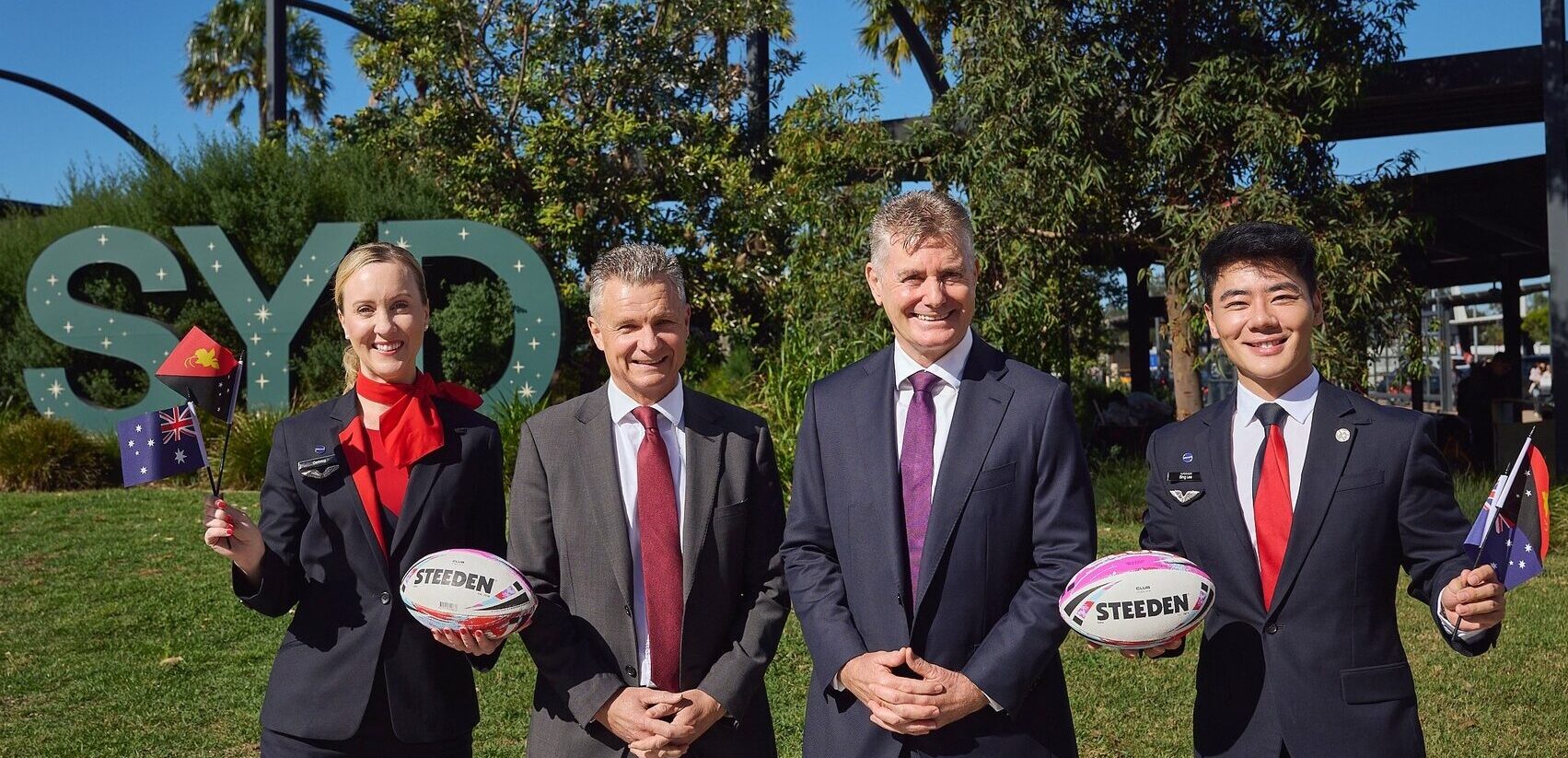
Qantas Restores Sydney-Port Moresby Flights, Capitalising on PNG’s NRL Commercial Drive

Qantas has announced the resumption of direct services between Sydney and Port Moresby, commencing in March 2026. The move is a commercially astute re-entry into the market, directly responding to anticipated demand driven by Papua New Guinea’s (PNG) preparations to enter the National Rugby League (NRL) competition in 2028.

The twice-weekly service will operate year-round on Boeing 737 aircraft, adding almost 35,000 seats annually to the route. This capacity injection complements Qantas’ existing daily Brisbane-Port Moresby flights, providing a vital direct link between PNG and Australia’s largest city and economic centre.

The decision to restore the service, which was temporarily suspended earlier this year, demonstrates the organisation’s confidence in the route’s long-term commercial viability.

Confirming the rugby league factor is a primary catalyst for the investment, Qantas CEO International, Cam Wallace, said: “We’re seeing growth in business travel between Sydney and Port Moresby and that’s building further as PNG ramps up preparations for Australia’s premier rugby league competition in 2028,”

He noted that the travel generated by the preparation work alone, including government and sporting delegations, is substantial, and this is expected to “increase significantly” once the team is playing and fan travel is activated.

The route’s schedule, operating on Mondays and Fridays (QF203/204), is positioned to serve both the corporate traveller needing week-start and week-end connections, and the leisure/sporting fan seeking weekend access for match attendance.

Welcoming the decision, Sydney Airport CEO, Scott Charlton, highlighted that the renewed connection strengthens crucial economic and cultural ties between the nations, supporting business travel and broader people-to-people connections.

The commercial timing of the restoration allows Qantas to capture the accelerating travel growth well ahead of the 2028 NRL debut.

By providing easier access to Sydney and its onward domestic and international network, Qantas positions itself as the preferred carrier for the expected increase in business, government, and dedicated supporter travel generated by the PNG NRL program.

Don’t miss out on the latest in sports business – Subscribe today to the free Ministry of Sport newsletter and stay ahead of the game. For even more exclusive insights, event tickets, professional development and networking events, become a MoS Member today!.
WNBA Proposal Sees Guaranteed $1M Base Salary and $5M Cap

The Women’s National Basketball Association (WNBA) has escalated its collective bargaining efforts, putting forward a proposal that includes a guaranteed USD1 million (AUD1.5 million) base maximum salary starting in the 2026 season.

This landmark figure, which projects total compensation for max players to exceed USD1.2 million (AUD1.8 million) with revenue sharing, underpins a massive financial restructuring aimed at capitalising on the league’s exponential commercial growth.

The proposed increases demonstrate the league’s strategic intent to retain global talent and secure its value proposition against emerging competitor leagues.

The entire salary structure would undergo a radical overhaul, with the average player salary projected to soar past USD500,000 (AUD762,000) in 2026, up from approximately USD102,249 (AUD155,991) under the current agreement.

Furthermore, the minimum player salary is projected to exceed USD225,000 (AUD343,192), a dramatic increase from the 2025 minimum of USD66,079 (AUD100,810).

Crucially, the proposal addresses the WNBPA’s key strategic demand regarding future financial alignment. The league’s salary cap would increase instantly to USD5 million (AUD7.6 million) in 2026, a monumental leap from the 2025 cap of USD1.5 million (AUD2.28 million), and would subsequently be set in each following year based directly on revenue growth.

This willingness to invest heavily in player compensation comes amid an unprecedented period of growth, including new media rights deals and rapid increases in attendance and merchandise sales.

The guaranteed seven-figure base salary and the direct link between the cap and revenue are a necessary commercial outlay to maintain the league’s trajectory and ward off external pressure from rival leagues offering lucrative off-season contracts.

While the figures reflect incremental increases from previous offers and demonstrate a willingness to compromise on the structure, an agreement is not yet imminent. Both sides recently agreed to extend the current Collective Bargaining Agreement through to January 9, 2026. This short extension provides a narrow window for the parties to finalise a revolutionary deal that will shape the WNBA’s competitive and commercial landscape for the next decade.

Don’t miss out on the latest in sports business – Subscribe today to the free Ministry of Sport newsletter and stay ahead of the game. For even more exclusive insights, event tickets, professional development and networking events, become a MoS Member today!.
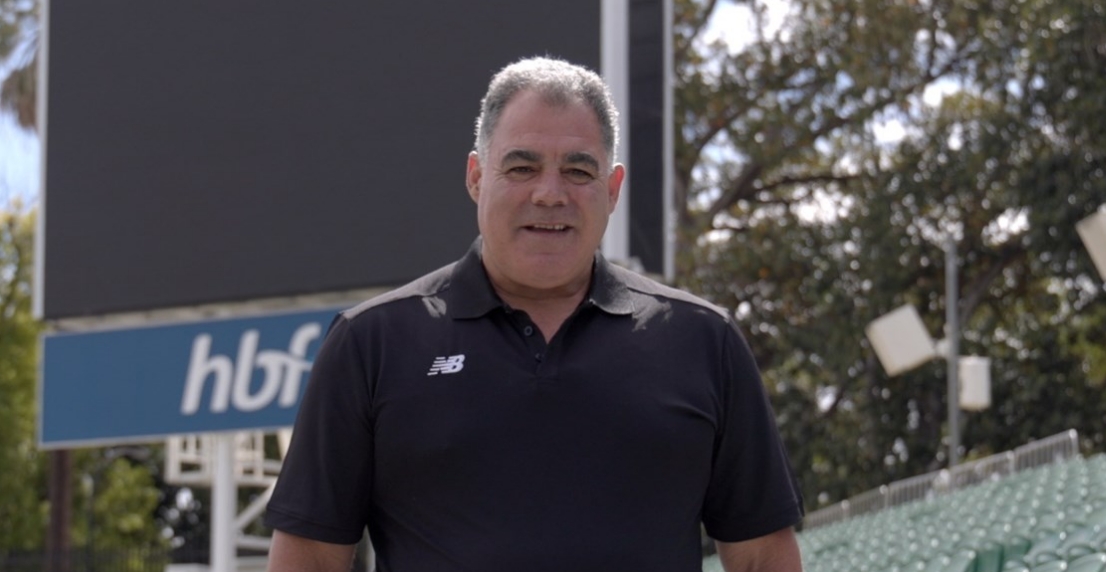
Perth Bears Makes History with New Balance

The Perth Bears have announced a four-year apparel partnership with global athletic brand New Balance. The deal is historic, marking New Balance’s first foray into the National Rugby League (NRL) at a club level, and will see the brand design the inaugural on-field kit and official teamwear for the Bears’ 2027 season debut.

Framing the partnership as validation of the club’s aggressive commercial strategy, Bears CEO, Anthony De Ceglie, said: “We’re incredibly honoured that a brand with such incredible global recognition as New Balance would team up with the Bears.”

De Ceglie noted the apparel partnership is more than a kit supplier; it is a “statement of our values and vision for the team.” The alignment with a Tier 1 global brand confirms the Perth Bears’ commercial appeal, following on from other record sponsorship deals secured well ahead of their inaugural competition program.

For New Balance, the agreement serves as a major entry point into the highly competitive Australian Rugby League market. The brand, through its Australasian elite teamwear partner Belgravia Apparel, will supply both high-performance and supporter products, ensuring a robust retail and merchandising platform for the new franchise.

New Balance Australia regional general manager, Dean Howard, stated the partnership supports the brand’s commitment to elite performance and community engagement, values that align perfectly with the expansion club.

The deal also consolidates New Balance’s growing footprint across Western Australian sport. The brand already services the Western Force and the state’s leading high-performance organisations through Belgravia Apparel, cementing its position in the increasingly valuable Perth sports market. This local operational structure ensures the Bears can deliver high-quality supporter merchandise across their dual supporter bases in Perth and Sydney.

Head Coach, Mal Meninga, stressed the necessity of the elite standard delivered by New Balance, essential for a club striving to unite two rugby league heartlands.

Don’t miss out on the latest in sports business – Subscribe today to the free Ministry of Sport newsletter and stay ahead of the game. For even more exclusive insights, event tickets, professional development and networking events, become a MoS Member today!.

EA Sports FC and UEFA Expand Grassroots Initiative with Free Coaching Resources

EA Sports FC and UEFA have announced the expansion of their FC Futures program, confirming the initiative’s central role in the gaming giant’s strategic goal of transitioning from a video game franchise to a global “football platform.”

The expansion, highlighted by a London training session led by global ambassador David Beckham, is backed by EA Sports FC’s USD10 million (AUD15.2 million) investment commitment focused on community-level football development.

Outlining the commercial imperative, senior franchise activation director at EA Sports FC, James Salmon, said: “Our goal with FC Futures is to use the power of EA Sports FC to inspire more young people to play football in real life and grow the game for all.”

To Bridge a Gap Between Digital Experience and Real-world Participations

The FC Futures Academy provides free online resources, including 17 skill games developed with UEFA coaching experts, which directly translate in-game drills to the pitch.

This model serves as a critical customer acquisition funnel, encouraging digitally-native youth to move from playing the game to joining a club, thereby reinforcing brand loyalty and securing future consumers for both the publisher and the sport.

Since its launch in 2023, the investment has driven significant tangible commercial and social impact. The organisation has funded or refurbished over 20 pitches globally and provided equipment to youth organisations, opening access to over 500,000 people worldwide.

For UEFA, the partnership provides a cost-effective and innovative solution for meeting its grassroots development goals. The multilingual Academy resources are being carefully integrated into the Coach Education Programm of 54 National Football Associations, democratising access to high-quality coaching tools.

UEFA chief of football development, Olivier Doglia, confirmed the strategic alignment, noting the partnership strengthens their commitment by providing “modern tools, inspiring content and real opportunities” to make the sport more accessible.

The use of high-profile ambassadors like Beckham and Marta, often tied to major events such as the recent EA Sports FC 26 launch, provides unmatched media cut-through and credibility, justifying the significant financial investment.

Don’t miss out on the latest in sports business – Subscribe today to the free Ministry of Sport newsletter and stay ahead of the game. For even more exclusive insights, event tickets, professional development and networking events, become a MoS Member today!.
Betfred Super League Partners with ECAL

The Betfred Super League has unveiled a major digital initiative for its 2026 season, announcing a strategic partnership with fan engagement platform ECAL.

The deal is designed to transition the league’s traditional fixture list from a passive schedule into a dynamic, direct-to-consumer digital channel, creating actionable revenue streams and enhancing fan loyalty for the premier Rugby League organisation.

This investment directly addresses the need for real-time, personalised fan communication in a crowded digital landscape. By integrating ECAL’s technology, the Super League will deliver the entire 2026 fixture program straight into fans’ personal digital calendars.

This ensures supporters never miss a key moment, receiving automated, real-time updates for kick-off times, venue changes, and critical broadcast information, including the league’s dedicated streaming platform, Super League+.

The most significant implication is the shift towards calendar marketing as a high-performance commercial tool. Unlike static lists, the ECAL platform embeds actionable revenue opportunities directly within the calendar events.

This includes alerts for ticket sales and direct links to streaming services, effectively transforming the match reminder into a targeted promotional vehicle. This capacity for integrated calendar commerce is designed to increase ticket sales, boost streaming uptake, and generate measurable revenue moments for the league and its commercial partners.

 Furthermore, the platform automates the synchronisation of gamified elements, such as Fantasy League and Predictor deadlines, ensuring repeated and active engagement throughout the season.

By creating this 24/7 connection, the Super League gains deeper insights into fan behaviour and preferences, allowing the organisation to run scalable commercial campaigns with measurable results, crucial intelligence for long-term marketing and sponsorship activation.

As the Super League embarks on its expanded 14-team competition in 2026, this technology ensures every fixture is maximised as a commercial touchpoint.

The league’s decision to leverage a platform that consistently delivers higher engagement rates than traditional digital channels demonstrates a commitment to modernising its digital offering.

The ECAL partnership confirms the Super League’s intent to strengthen fan relationships and deliver a seamless, premium experience, underpinning the commercial viability of its expanded programme for years to come.

Don’t miss out on the latest in sports business – Subscribe today to the free Ministry of Sport newsletter and stay ahead of the game. For even more exclusive insights, event tickets, professional development and networking events, become a MoS Member today!.

Hoops Capital Appoints Renae Garlepp as Sydney Flames Head Coach

Hoops Capital has executed a leadership transition within its high-performance program, announcing Renae Garlepp as the new Head Coach of the Sydney Flames.

Garlepp, who has served as assistant coach since the commencement of the WNBL24 season, assumes the top role immediately following the resignation of veteran mentor Guy Molloy.

The move represents a calculated succession plan for the Sydney franchise, ensuring continuity while elevating one of the country’s most promising coaching talents to the helm.

Emphasising the organisation’s pride in promoting from within, CEO of Hoops Capital, Mark Thompson, said: “We’re extremely excited that Renae Garlepp is taking on the head coach position, continuing her strong work with the Flames this season.”

“She’s an incredible leader, lifting others up around her, and we’re proud to support Renae as she takes this next step in her coaching career,” Thompson said. 

The structural change sees Guy Molloy transition into a strategic advisory position, a move that retains his vast experience within the club’s intellectual property bank.

Acknowledging her mentorship, Garlepp, noted: “He has been one of the greatest influences on my coaching journey, and I will be forever grateful for our time together.”

Hoops Capital co-owner and special advisor Luc Longley also endorsed the appointment, citing Garlepp’s ability to bring “strength and energy” to the squad. Longley noted her impressive trajectory from elite player to coach across the NBL1, WNBL, and global stages.

Garlepp brings an impressive resume that aligns with the club’s high-performance ambitions.

Her credentials include serving as an assistant coach for the Opals, being named a two-time NBL1 Coach of the Year, and securing an NBL1 championship. Her international stock rose significantly at the 2025 FIBA U19 Women’s World Cup in the Czech Republic, where she guided the Gems to a silver medal and was personally honoured as the ‘Best Coach’ of the tournament.

For Hoops Capital, securing Garlepp as Head Coach ensures the Flames retain elite tactical leadership while fostering a new era of energy and player development.

Garlepp’s tenure begins immediately, with her first game in charge scheduled for this Saturday, December 6, when the Flames travel to Townsville to face the Fire.

The match will be broadcast live on ESPN and 9Now, providing an immediate platform to showcase the team’s new direction.

Don’t miss out on the latest in sports business – Subscribe today to the free Ministry of Sport newsletter and stay ahead of the game. For even more exclusive insights, event tickets, professional development and networking events, become a MoS Member today!.
Beyond Sports Absorbs Pulselive to Create Unified Fan Engagement Powerhouse

Beyond Sports has announced it will formally integrate Pulselive into its operations, effectively retiring the Pulselive brand to create a comprehensive end-to-end fan engagement platform.

The move unites two Sony Group sister companies, combining Beyond Sports’ expertise in data visualisation and virtual recreation with Pulselive’s established track record in building high-traffic digital ecosystems for major rights holders.

The strategic restructure will see the creation of two new dedicated departments within the Beyond Sports organisation: .DIGITAL and .PLAY. The .DIGITAL arm will absorb Pulselive’s existing personnel and technical know-how, ensuring continuity for their impressive client roster, which includes the AFL (Australian Football League), the Premier League, WTA, and World Rugby.

This specific capability will focus on the foundational digital architecture, websites and apps, that serve as the primary touchpoints for global fan bases.

Complementing this, the new .PLAY division is designed to drive the next generation of sports consumption, focusing on gamification and interactivity. By merging existing teams, Beyond Sports aims to provide rights holders with a “360-degree solution” that transitions fans from passive viewers to active participants.

The offering will allow users to seamlessly switch between live game streaming, instant virtual replays, fantasy sports management, and prediction games within a single ecosystem.

For the Australian market, the move is particularly relevant given Pulselive’s long-standing role as the digital backbone for the AFL.

The integration promises to bring enhanced interactive capabilities to local leagues that are increasingly competing for digital attention in a crowded entertainment market. The consolidation acknowledges that modern fandom demands more than just a broadcast; it requires “sticky,” personalised experiences that maintain user engagement outside the match window.

While the teams have already commenced collaboration on multiple client projects to redefine engagement strategies, the formal external consolidation of the brands is scheduled for early 2026.

This timeline allows for a methodical transition of assets and ensuring that the new .DIGITAL and .PLAY foundations are robust enough to support the massive traffic loads generated by their tier-one sporting partners.

The merger represents the final “puzzle piece” for Beyond Sports, allowing the company to leverage its data processing power not just for visualisation, but for direct-to-consumer communication and community building.

Don’t miss out on the latest in sports business – Subscribe today to the free Ministry of Sport newsletter and stay ahead of the game. For even more exclusive insights, event tickets, professional development and networking events, become a MoS Member today!.

WNBL Unveils Tasmania Jewels as Ninth Franchise

The Women’s National Basketball League (WNBL) has officially unveiled the Tasmania Jewels as the league’s ninth franchise, solidifying a major expansion into one of Australia’s most passionate basketball heartlands.

The new team is scheduled to enter the competition in the 2026/27 season, providing the organisation with a significant runway to build its commercial operations, roster, and community engagement programs before hitting the court.

Following the initial confirmation of the license in August, the brand revelation marks an important moment for the state’s sporting landscape.

The “Jewels” identity has been crafted to reflect Tasmania’s deep basketball roots and unique wilderness, aiming to establish a brand that is commercially distinct yet authentically connected to the local community. The move leverages the state’s proven appetite for elite basketball, capitalising on a market that has demonstrated exceptional support for national-level content in recent years.

Positioning the expansion as evidence of the league’s rising commercial momentum and its broader mandate to grow the women’s game, WNBL CEO, Jennie Sager, said: “I’m so excited to welcome the Tasmania Jewels to the WNBL.”

“Tasmania’s love for the game runs deep, and now that passion has a new home on the national stage,” Sager said.

 In addition, Sager highlighted the tangible developmental benefits of the expansion. The introduction of a ninth team opens up 10 additional roster spots at the elite level, creating vital new professional pathways for female athletes.

Leading the franchise, and emphasising the ambition behind the new identity, Appointed CEO, Christine Finnegan, added: “Tasmania is the Jewel in the crown of Australia and now the Jewel in the crowd of the Queen Ant and a force to be reckoned with in the WNBL.”

“We’re incredibly proud to launch a brand that we believe represents the unique beauty of the state of Tasmania and the unbreakable resilience of our team and our community,” Finnegan stated.

This growth extends beyond the playing group, unlocking new career opportunities for high-performance coaches, officials, and sports administrators within the Tasmanian ecosystem.

Strategically, the arrival of the Jewels integrates the WNBL into a rapidly expanding Tasmanian high-performance landscape.

By joining the existing professional teams in the state, the Jewels are positioned to unlock new sponsorship and fan engagement opportunities in a region where basketball is increasingly seen as a primary tier-one sport.

The extended lead-up to the 2026/27 season ensures the club can establish a robust corporate partner network and finalise venue operations, prioritising sustainable growth over a rushed entry.

Don’t miss out on the latest in sports business – Subscribe today to the free Ministry of Sport newsletter and stay ahead of the game. For even more exclusive insights, event tickets, professional development and networking events, become a MoS Member today!.