


Western United Licence Withdrawn Amid Ongoing Financial Uncertainty

Football Australia has confirmed that Western United has been stripped of its A-League licence, effective immediately, following a ruling from the First Instance Board (FIB). The independent body determined the club failed to meet the criteria required under the National Club Licensing Regulations.
The decision, described by Football Australia as “regrettable”, comes after months of financial strain, including delayed staff and player payments, and a FIFA-imposed registration ban linked to a dispute with former striker Aleksandar Prijović. Western United now has eight days to appeal.
Impact on Players and Competition of Western United
The immediate concern lies with Western United’s A-League Men’s squad, currently in preseason, and its Women’s team, who are in the off-season. Professional Footballers Australia (PFA) has been in direct contact with affected players.
“We have communicated directly with all players affected by this decision and will continue to do so as this matter progresses,” a PFA spokesperson confirmed.
The situation leaves uncertainty around player contracts, future competition integrity, and the Australian Professional Leagues’ (APL) ability to maintain stability across both men’s and women’s competitions.
Ownership Transition Complicates Proceedings
Western United was banking on a planned takeover by KAM Melbourne, a subsidiary of US-based KAM Sports, to ease financial pressures. The proposed deal, announced in May, has yet to be finalised.
In a statement, the club said it was “bitterly disappointed” with the licence withdrawal and intends to appeal, expressing confidence that the pending capital injection from KAM Melbourne could resolve the financial concerns.
Broader Strategic Questions
Western United’s short history has been defined by contrasts: on-field success and off-field instability, including stalled plans for a purpose-built stadium. The withdrawal underscores the challenges facing expansion clubs reliant on external investment without robust revenue streams.
The case raises broader questions for Australian football: how the APL manages ownership risk, how governance frameworks are enforced, and the sustainability of rapid expansion.
Don’t miss out on the latest in sports business – Subscribe today to the free Ministry of Sport newsletter and stay ahead of the game. For even more exclusive insights, event tickets, professional development and networking events, become a MoS Member today!.
Latest News





Similar Stories
Electronic Arts Shuts Down BioWare in Major Post-Buyout Restructuring Toward Live-Service Ecosystems
Publisher Electronic Arts (EA) has initiated a corporate realignment across its worldwide studio...

Victorian Government Commits $1.5 Million to Back Australia’s LA28 Olympic and Paralympic Campaigns
The Victorian Government has pledged a $1.5 million state investment to support Australian...
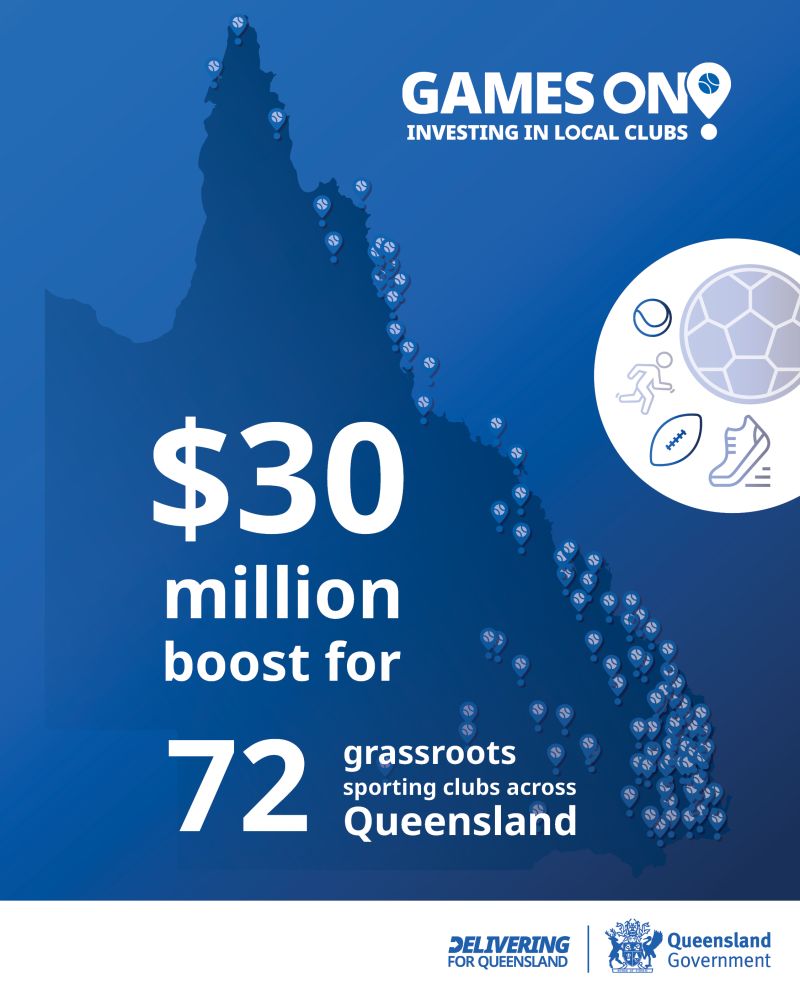
Crisafulli Government Allocates 30 Million Dollars for Round 2 of Games On! Infrastructure Program
The Queensland State Government, led by Premier David Crisafulli, has officially announced a...
It's free to join the team!
Join the most engaged community in the Sports Business World.
Get all the latest news, insights, data, education and event updates.