


NVIDIA Expands Sports Technology Ecosystem with Advanced AI Media and Pose Estimation Products
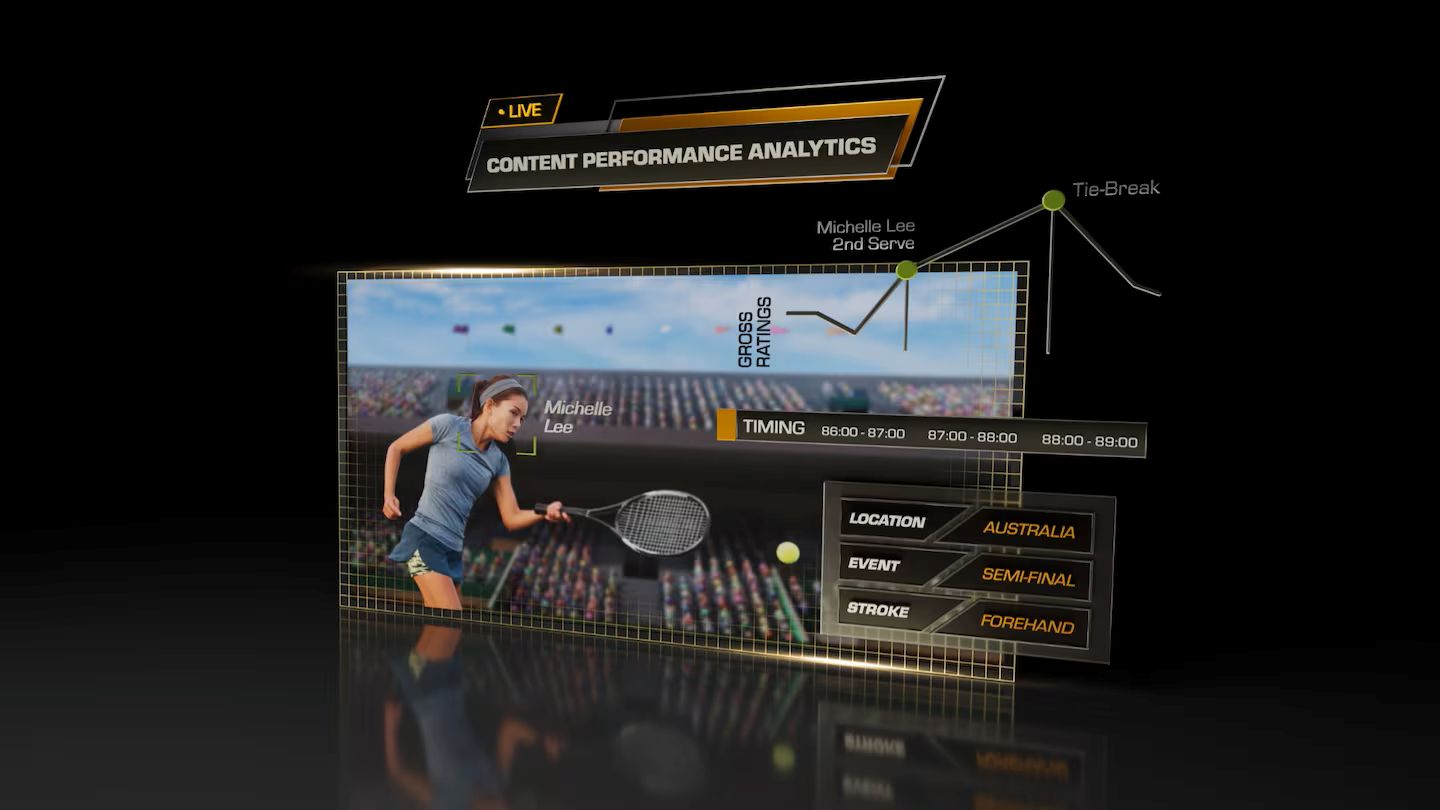
NVIDIA is deepening its footprint in the sports technology sector after debuting a suite of media and artificial intelligence products at the IBC conference in Amsterdam.
Designed to seed the market through collaborative co-development rather than direct commercial sales, the new tools include 3D Body Pose for single-camera athlete movement tracking, Video Frame Generation for retroactive AI-powered slow-motion replays, and TrueHDR for enhancing standard video feeds into rich high-dynamic range quality.
By partnering with established industry players such as Hawk-Eye, Stats Perform, Peripheral Labs, and Skyrim.ai, NVIDIA aims to accelerate digital innovation across global sports broadcasting.
The technological innovations stem from NVIDIA’s foundational problem-solving approach, leveraging research originally engineered for autonomous vehicles and physical artificial intelligence to enhance computer perception in sporting environments.
Explaining the cross-sector application, NVIDIA’s director of AI for Sports, AdTech & Enterprise Media, Jamie Allan, highlighted the broad utility of artificial intelligence.
“Every industry is finding new and exciting ways to leverage the evolution of artificial intelligence through new ways to apply perception AI, generative AI, now agentic AI and physical AI across their spaces.”
“In sports, all of those areas are applicable, which makes it a really interesting space to go and see how can we help accelerate those needs that developers, that leagues, federations, broadcasters are looking to achieve,” Allan said.
Elaborating on the cross-industry origins of its sports solutions, Allan also noted how automotive safety research directly benefits athletic performance tracking.
“The advancements we’ve been doing around body pose estimation, which is obviously important to sports for many different reasons, the R&D process for us to advance that actually started around autonomous vehicles and physical AI to advance how computers understand the real world to make autonomous driving safer.
“The data about a game or a sport or a team is very specific.
“So how can we go and take that knowledge that we learn from the industry, turn it into a recipe of sorts that we can then give back to developers to say, ‘If you want to really quickly adapt a cost-effective open-source model for your sport, here’s the best way to do it,” Allan added.
Furthermore, NVIDIA seeks to provide actionable frameworks for developers navigating complex game datasets.
Don’t miss out on the latest in sports business – Subscribe today to the free Ministry of Sport newsletter and stay ahead of the game. For even more exclusive insights, event tickets, professional development and networking events, become a MoS Member today!.
Latest News




Similar Stories
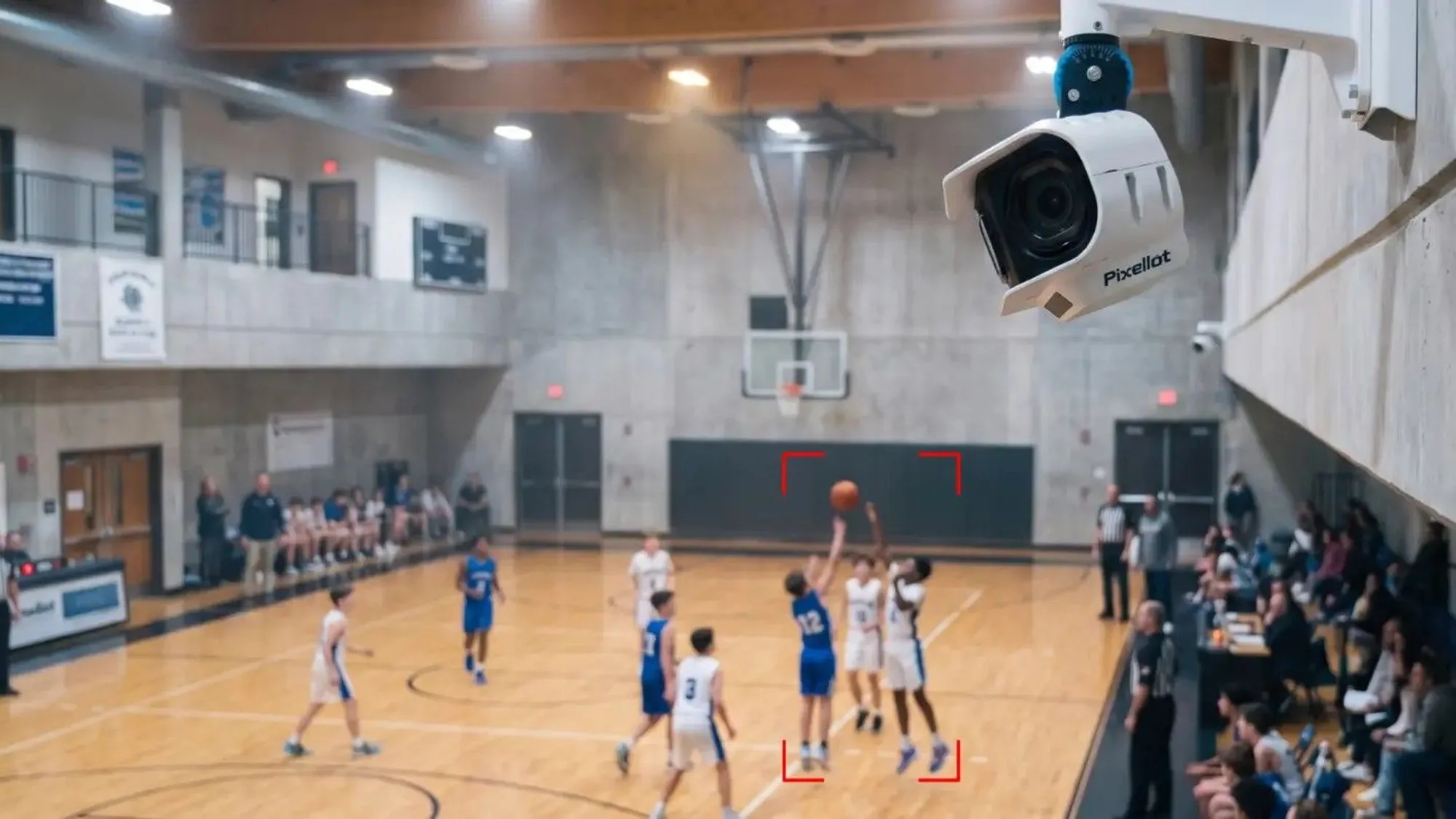
Basketball Australia and Pixellot Partner to Launch National Digital Video Platform HoopsTV
Basketball Australia has entered into an exclusive, multi-year partnership with global sports...

New Zealand Cricket Relaunches Youth Fast Bowling Challenge in Partnership with Lockie Ferguson and Yorker App
New Zealand Cricket has officially announced the revival of the Youth Fast...

Adobe Secures Official AI and Technology Partnership with NHL
Global technology leader Adobe has secured a partnership with the National Hockey...
It's free to join the team!
Join the most engaged community in the Sports Business World.
Get all the latest news, insights, data, education and event updates.