


OnSport AI Secures $2 Million Pre-Seed Capital to Commercialise Injury Risk Platform
Sports technology startup OnSport AI has closed a USD2 million (AUD2.9 million) pre-seed funding round led by international basketball team owners, accelerating the commercial launch of its AI-driven biomechanical injury risk platform.
Headquartered in Miami, the company processes in-game player tracking data and standard video inputs to analyse movement signatures, identifying non-contact injury risks across basketball, soccer, and golf.
The platform compares real-time movement patterns against established individual baseline metrics to detect biomechanical deviations indicating fatigue or injury susceptibility.
OnSport AI has operated in stealth mode for over a year, conducting a technical pilot with an undisclosed National Basketball Association (NBA) franchise alongside operational trials with international professional basketball and soccer organisations.
Elite Performance Insights and Market Execution
The platform was developed to address critical data translation gaps in elite sport, moving beyond raw tracking numbers to deliver actionable decision-making tools for high-performance staff and coaches.
By analysing joint mechanics and movement sequencing over extended time horizons, OnSport AI identifies early warning indicators associated with major non-contact injuries, including ACL tears and Achilles tendon ruptures.
Sharing the necessity for actionable intelligence over raw tracking metrics in high-stakes coaching environments, OnSport AI CEO, Brett Burman, said: “People like to give raw numbers and they like to give data, but when you’re sitting in a position where you need an answer, raw data actually becomes significantly irrelevant.”
“And it’s because, when you’re making those decisions, you need something tangible in order to incorporate it.
“There was never an answer as to what was going on with these guys and how do we actually do anything to stop it and to make these guys healthier. Really, I needed an alarm,” Burman said.
OnSport AI director of biomechanics, Adam Petway, emphasised the scientific foundation behind the platform’s predictive algorithms.
“For a lot of the major injuries — ACL tears, Achilles tendon ruptures — there are clear, distinct patterns that are identifiable as to what are the sequence of events leading up to those terminal injuries as well as the mechanism of injuries encountered for those major injuries.”
“Real-time feedback is important, but you have to look at the totality and the chronicity of the signature as a whole,” Petway said.
Don’t miss out on the latest in sports business – Subscribe today to the free Ministry of Sport newsletter and stay ahead of the game. For even more exclusive insights, event tickets, professional development and networking events, become a MoS Member today!.

Similar Stories

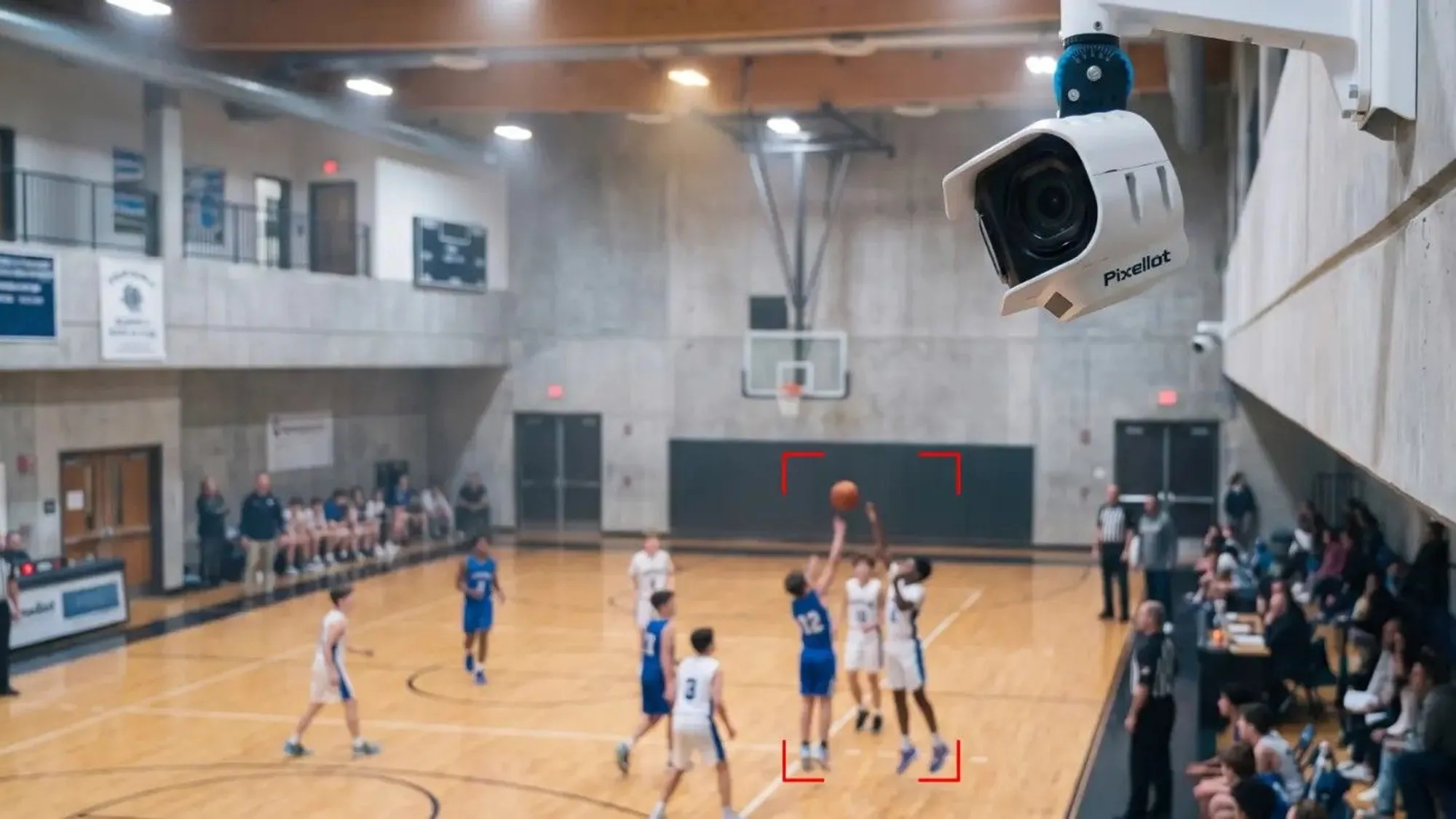
Basketball Australia and Pixellot Partner to Launch National Digital Video Platform HoopsTV
Basketball Australia has entered into an exclusive, multi-year partnership with global sports...
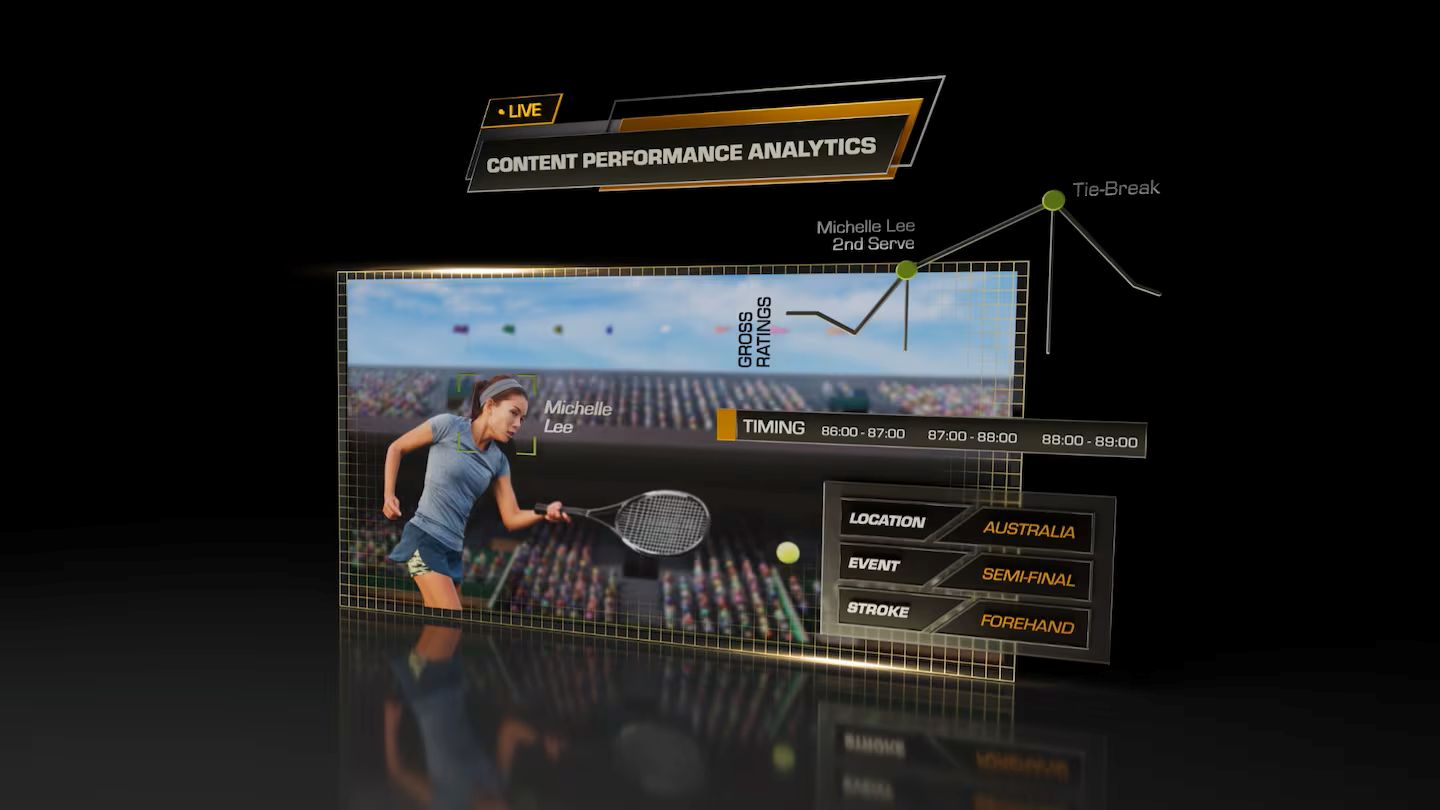
NVIDIA Expands Sports Technology Ecosystem with Advanced AI Media and Pose Estimation Products
NVIDIA is deepening its footprint in the sports technology sector after debuting a...
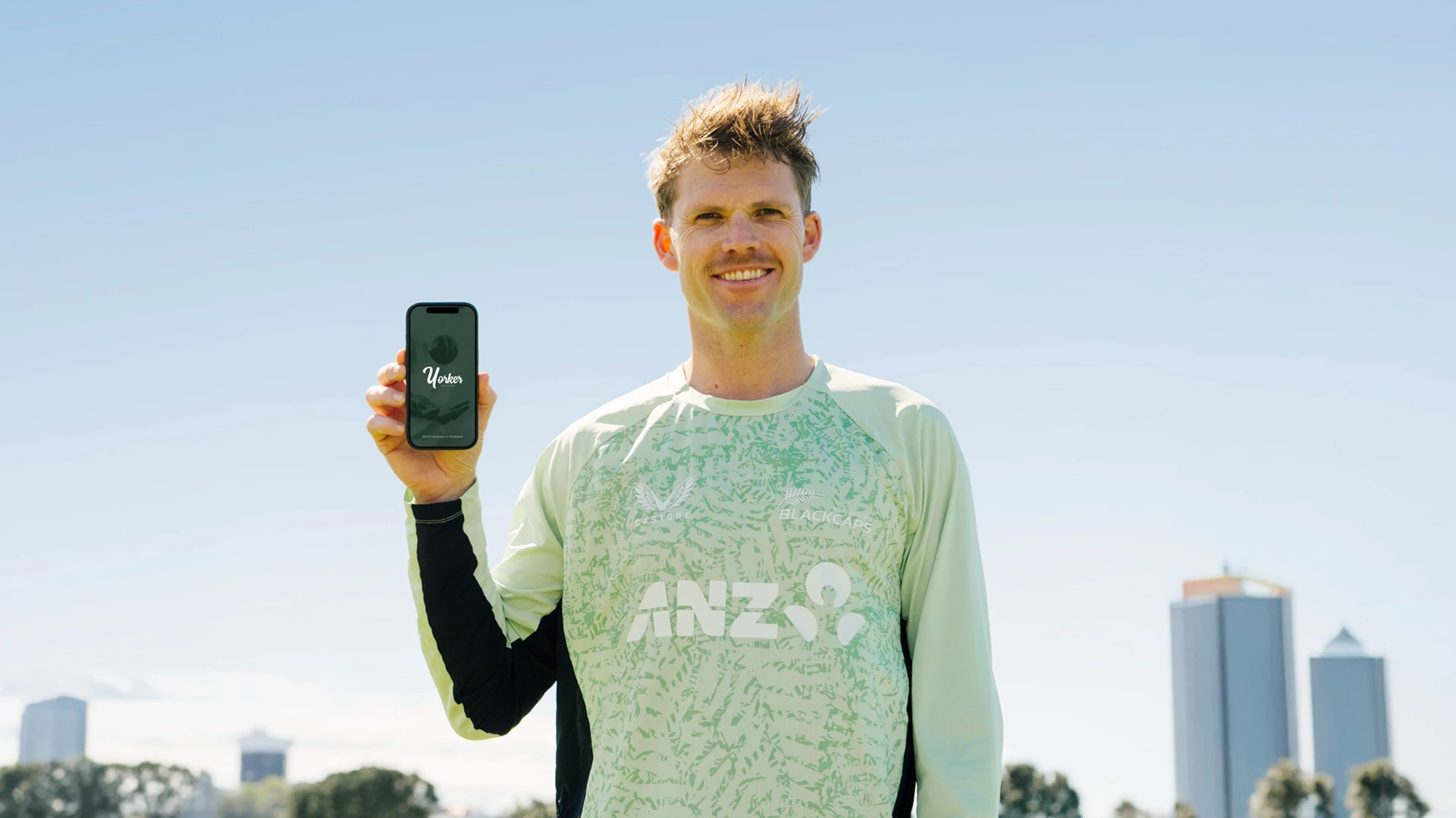
New Zealand Cricket Relaunches Youth Fast Bowling Challenge in Partnership with Lockie Ferguson and Yorker App
New Zealand Cricket has officially announced the revival of the Youth Fast...
It's free to join the team!
Join the most engaged community in the Sports Business World.
Get all the latest news, insights, data, education and event updates.