


Bruin Capital CEO George Pyne Forecasts Era of Integration in Sports Media
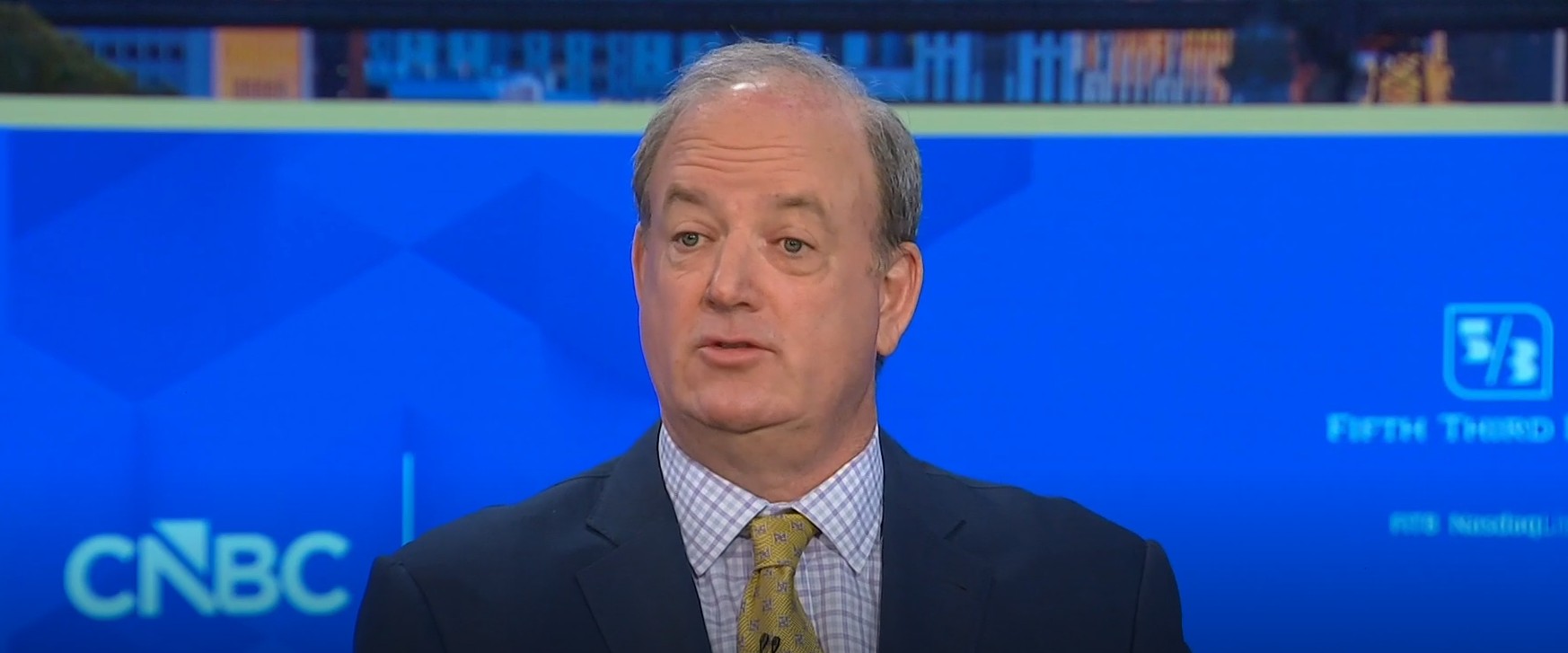
Bruin Capital Founder and CEO, George Pyne, has delivered a bullish outlook for the global sports investment landscape, identifying deep-tier media integration and technology-driven fan engagement as the primary catalysts for future growth.
Speaking in a high-profile interview on Thursday, the veteran executive emphasised that the sports ecosystem remains a premier asset class due to its unique ability to aggregate mass audiences in real-time, even amidst broader media fragmentation.
Since founding Bruin Capital in 2015, Pyne has overseen more than 40 acquisitions, managing approximately USD2.5 billion (AUD3.7 billion) in assets. He suggested that the next decade of commercial evolution will be defined by the “monetisation of the direct relationship” between rights holders and global fanbases.
This focus continues to centre on the “sandbox” of sports-adjacent businesses, specifically data, technology, and premium production, rather than direct franchise ownership.
Sharing his comments, Pyne, noted: “The game is changing; there is going to be a lot more opportunities.”
“Sports cannot be commoditised. Even in a world where entertainment is becoming more commoditised through artificial intelligence, sports over-indexes on advertising and remains a highly valuable, durable, and reliable asset class.
“I don’t believe 15 years from now it’s going to be stuck at ten per cent.
“Whether it is an IPL cricket team, a Premier League club, or the New York Giants, these assets will be significantly more valuable 20 years from now because of their unique connection to the consumer,” Pyne remarked.
A key example of this program is Bruin’s investment in Box To Box Films, the production house behind Drive to Survive, which has been credited with fundamentally reshaping the commercial profile and honour of Formula 1.
Pyne also addressed the shifting regulatory environment, noting that the NFL’s recent move to permit private equity investment is a watershed moment for the industry.
He predicted that current 10 per cent ownership caps are unlikely to remain static as valuations for blue-chip franchises continue their double-digit annual climb.
By bridging the gap between traditional broadcasting and the emerging digital economy, the organisation remains a recognisable leader in identifying middle-market opportunities. Pyne’s outlook suggests a future where sporting properties are not just entertainment products, but sophisticated media and technology platforms.
Don’t miss out on the latest in sports business – Subscribe today to the free Ministry of Sport newsletter and stay ahead of the game. For even more exclusive insights, event tickets, professional development and networking events, become a MoS Member today!.

Similar Stories

AIS Releases Updated National Position Statement on Youth Sport Specialisation
The Australian Institute of Sport (AIS) has published its updated Sport Specialisation in...
Bowls Australia Releases 2025-2026 Annual Report Following AGM
Bowls Australia (BA) has formally released its 2025-26 Annual Report following its Annual...

Getty Images Report Identifies Commercial Gap in Sports Sponsorship Activations as IP Valuation Soars to $260 Billion
Global visual content marketplace Getty Images has released its latest market intelligence report,...
It's free to join the team!
Join the most engaged community in the Sports Business World.
Get all the latest news, insights, data, education and event updates.