


Athlete Development Shifts Beyond Performance to Build Long-Term Resilience

The development of female athletes must extend beyond physical performance, with awareness, ownership and resilience emerging as essential priorities for coaches, parents and sporting organisations.
That was the central message of the interview with, Accredited Sports Scientist – Athlete Preparation Specialist and Athlete Wellbeing Expert, Sacha Fulton, which examined how athletes can be better prepared to manage pressure, recovery and performance across their careers.
The discussion highlighted a growing need for athlete development programs to measure more than speed, strength or match statistics. While physical outputs remain important, athletes also need to understand how and why they perform.
“We shouldn’t just be developing female athletes who can perform.”
“We should be developing athletes who understand how and why they perform,” Sacha said.
That approach has significant implications for sporting organisations. Programs that develop self-awareness can help athletes identify fatigue, stress, poor recovery and confidence issues earlier, potentially reducing injury risk and improving consistency. It also gives athletes a more active role in decisions about training, preparation and wellbeing.
The interview framed resilience as a practical capability rather than an innate personality trait.
“Resilience isn’t the absence of struggle, it’s the capacity to respond effectively to the struggle,” Sacha added.
For organisations investing in athlete pathways, that means creating environments where athletes are encouraged to reflect, seek assistance and adjust their preparation before problems escalate. Examples include regular physiotherapy assessments, recovery monitoring and reset routines after mistakes.
The commercial value is clear. Athletes who can manage setbacks and perform more consistently are more likely to progress through development pathways, remain engaged with their sport and deliver sustained value to clubs, teams and sponsors. A stronger support framework can also enhance an organisation’s reputation for athlete welfare and development.
The interview’s broader message is that sporting programs should focus not only on raising peak performance, but also on raising the baseline. Building reliable habits, decision-making skills and emotional control can produce athletes who are better prepared for high-pressure moments.
For female sport, this represents an opportunity to invest in more complete development models — ones that support performance while strengthening athlete independence and long-term participation.
Latest News




Similar Stories
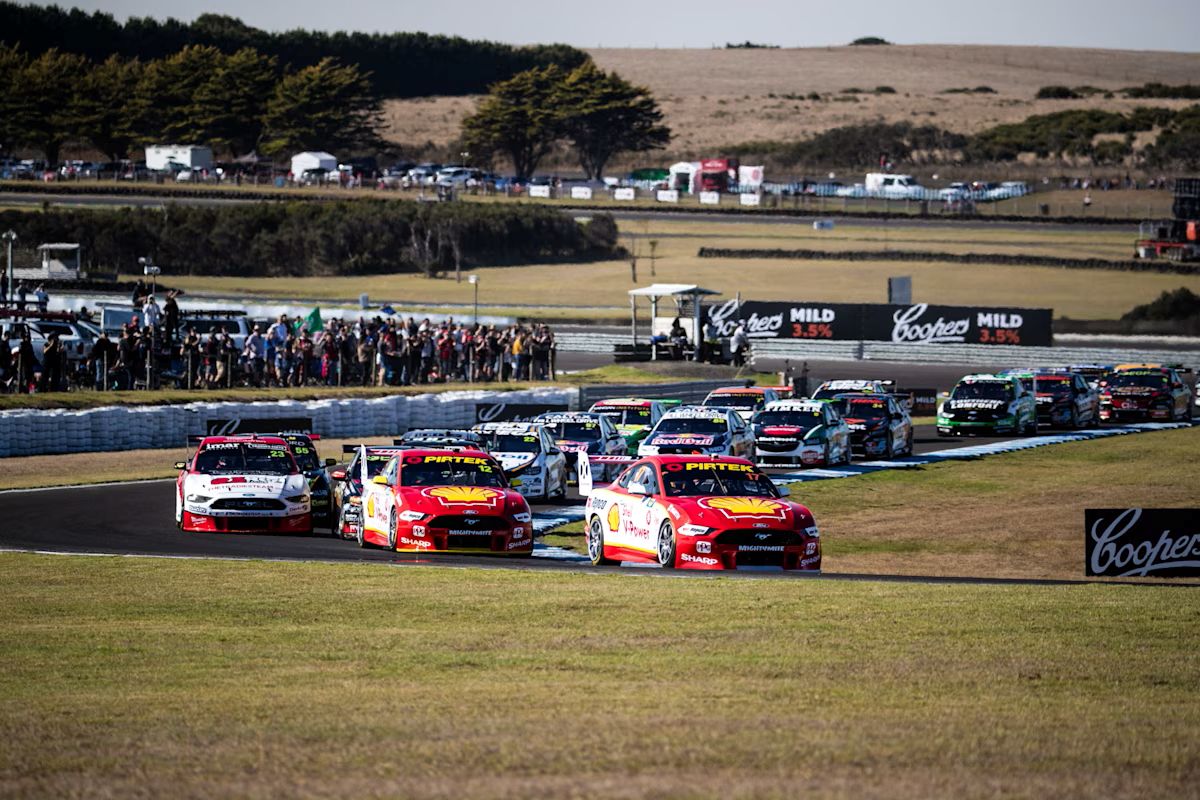
Repco Supercars Championship Secures Five-Year Deal to Return to Phillip Island as Finals Series Venue from 2027
The Repco Supercars Championship will return to the Phillip Island Grand Prix Circuit...
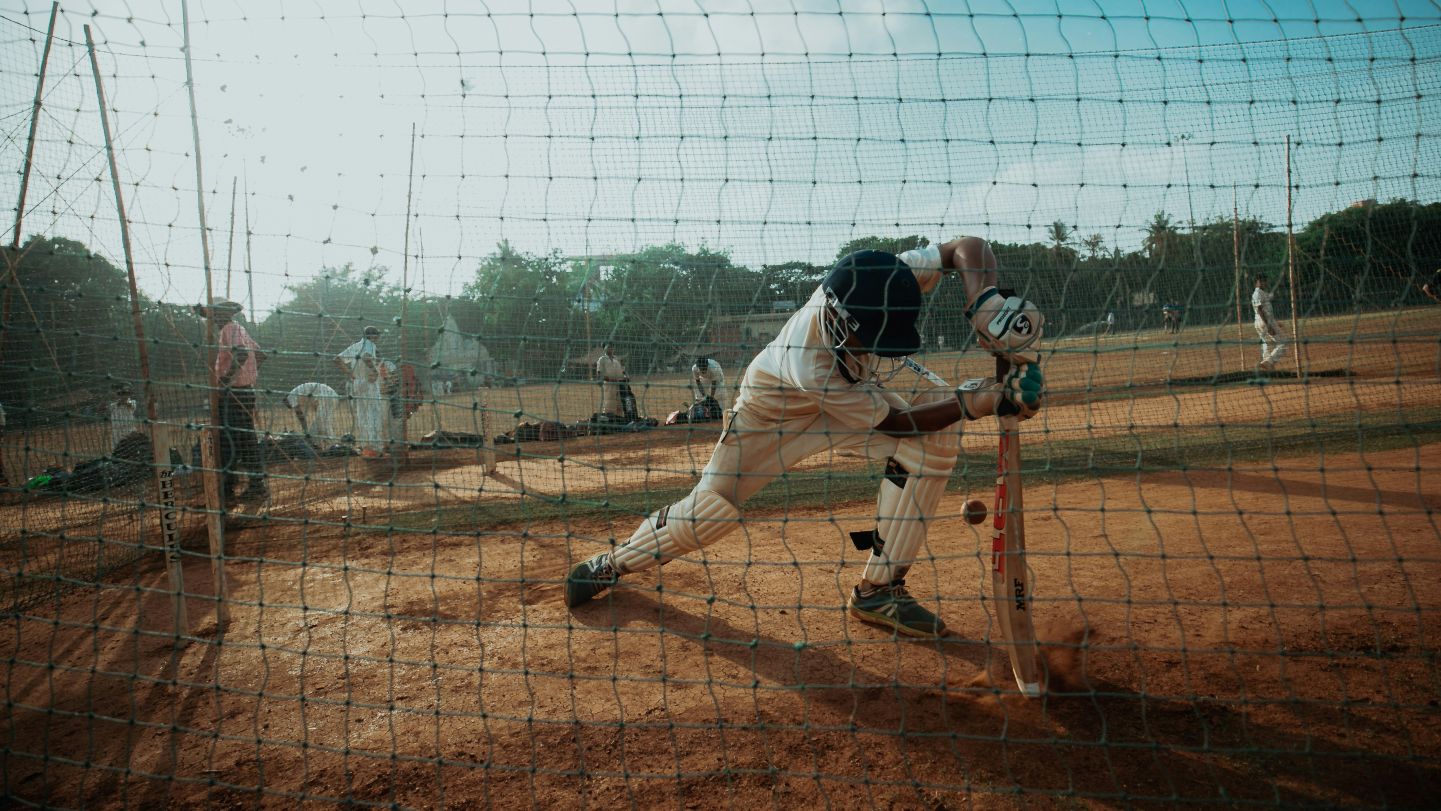
Major Ticket Demand Signals Commercial Growth for ICC Men’s Cricket World Cup 2027
Global commercial and fan interest in the ICC Men’s Cricket World Cup 2027...

Former Australian Rower Tory Toogood Keynotes WISS 2026 Lineup to Drive Grassroots and Leadership Pathways
Former Australian national rower, pelvic health physiotherapist, and sports administrator Tory Toogood has...
It's free to join the team!
Join the most engaged community in the Sports Business World.
Get all the latest news, insights, data, education and event updates.