


Athlete voices drive the conversation at Women in Sport Performance Forum
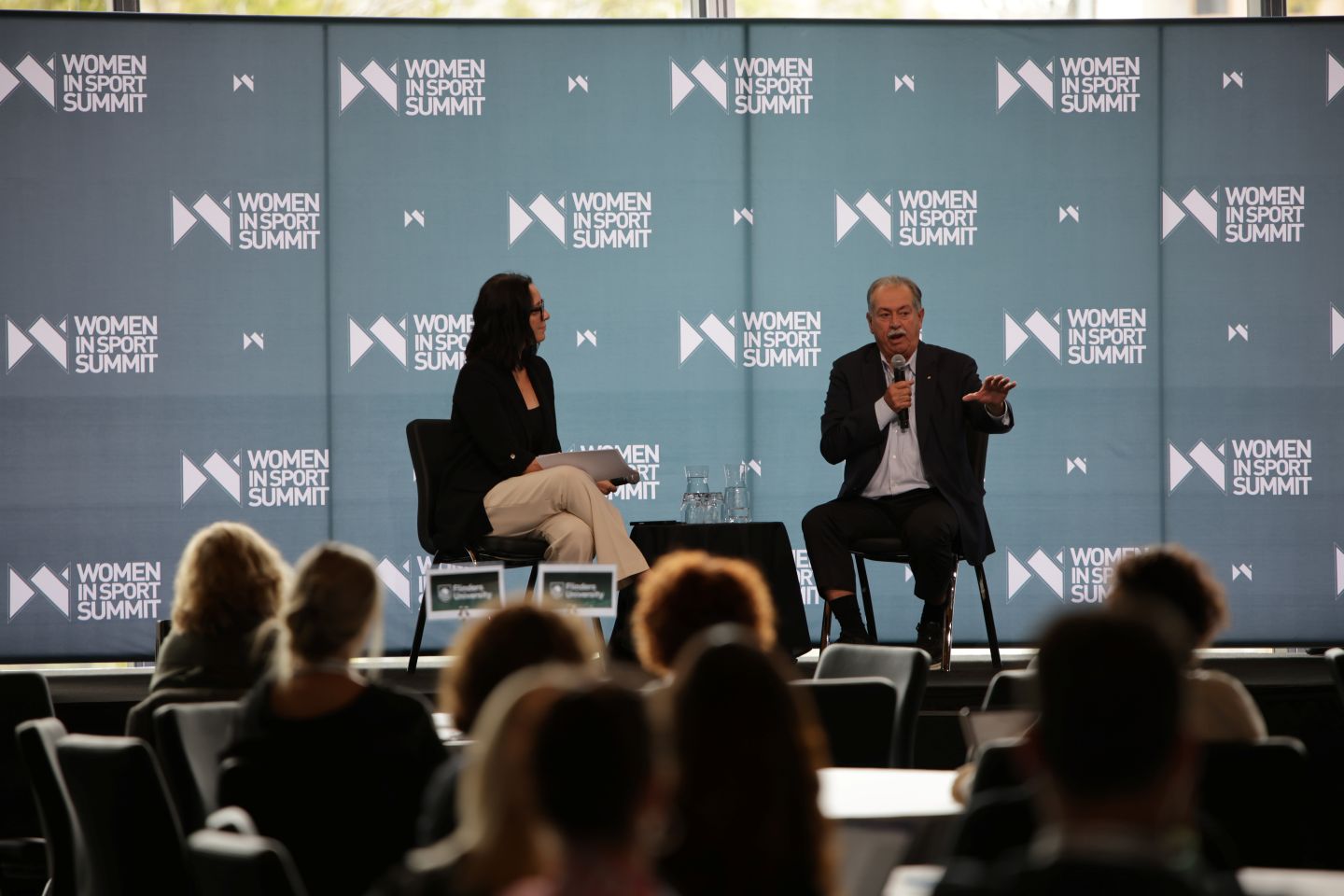
Listening to athletes, challenging established thinking and building stronger foundations for female performance defined the Women in Sport Summit Performance Forum at Adelaide Oval on Tuesday 20 October.
Created and delivered by Ministry of Sport, the forum brought together Olympic leadership, sports scientists, coaches, health practitioners and elite athletes to examine how women and girls are prepared, supported and developed across their sporting lives.
Across the day, a consistent message emerged: better performance begins with understanding the individual athlete—and building environments that give them the opportunity to thrive.
Andrew N. Liveris AO, President of the Brisbane 2032 Olympic and Paralympic Games Organising Committee, brought a long-term leadership perspective to the discussion. He encouraged delegates to multiply the contribution of others, make a positive difference and look beyond immediate outcomes.
His message connected the decisions being made across sport today with the legacy they could leave: meaningful change requires sustained planning, collaboration and a shared commitment across stakeholders.
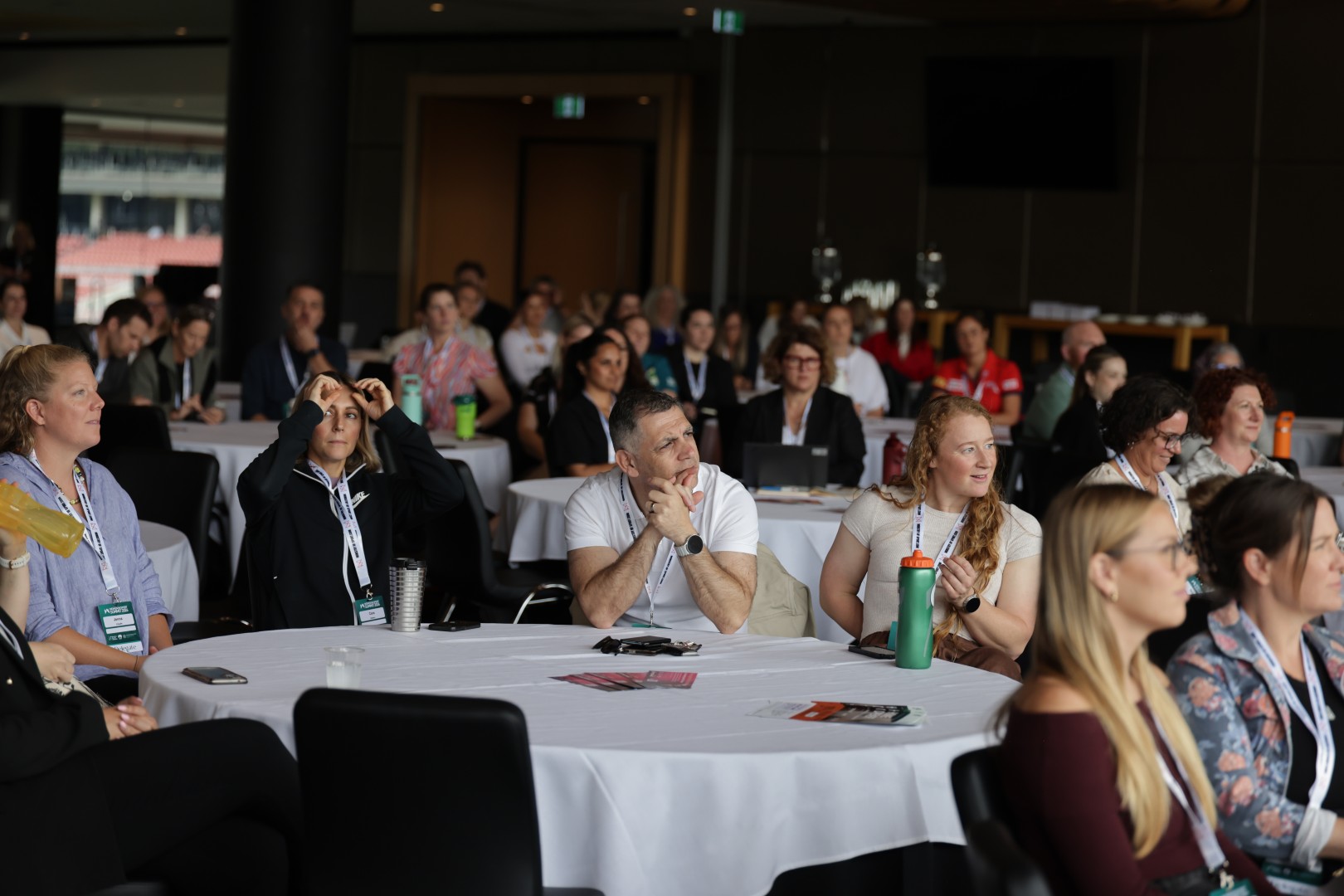
That focus on collaboration became tangible through League Ahead’s presentation on its inaugural NRLW Rookie Female Health Expo.
Sheridan Hawkins, League Ahead’s NRLW Wellbeing and Education Manager, joined CQUniversity Associate Professor Dr Melanie Hayman and Jess Stoll, Director of The Female Collective and Head Physiotherapist for the St George Illawarra Dragons NRLW, to explore an approach shaped around players’ needs.
Their discussion demonstrated the value of bringing emerging athletes together with health experts, researchers and wellbeing professionals to prepare them for the demands and opportunities ahead.
South Australian Sports Institute sport physiologist Dr Ella Smith reinforced the importance of listening to athletes in decisions about their bodies, preparation and performance. Her presentation challenged assumptions about female physiology and encouraged practitioners to combine evidence with the experiences of the athlete in front of them.
Dr Sacha Fulton, Athlete Preparation and Wellbeing Specialist and Founder of Peak Preparation, continued that theme through her insights into athlete preparation and performance management. Drawing on her experience, Fulton explored the focus and self-awareness required to support athlete excellence.
The relationship between everyday habits and performance came into sharp focus during the Eat Sleep Recover Repeat panel.
Dr Darah-Bree Bensen-Boakes, Director of the Sleep and Psychology Laboratory at Flinders University, encouraged delegates to understand individual sleep needs and seek support when difficulties persist. Her message challenged the idea that one universal sleep target can adequately serve every athlete.
Advanced Sports Dietitian Lauren Stibley examined the barriers that can prevent athletes from fuelling adequately, including social pressures and competing messages about food and bodies. The discussion highlighted the importance of recognising when an athlete’s intake is falling short of their needs.
Dr Fabian Garcia-Byrne, Senior Physical Preparation Coach at the South Australian Sports Institute, urged practitioners to think ambitiously about women’s performance and remain open to what athletes can achieve. His contribution encouraged delegates to question inherited limits while continuing to learn from evidence and practice.
The Stronger by Design panel brought the conversation back to the foundations of athletic development.
Charlotte Mathews, Senior Athletic Development Coach and Rehabilitation Coordinator at St Peter’s College, advocated for girls to have equitable access to facilities, quality coaching and opportunities to develop strength and movement skills.
Strength and Conditioning Coach and High Performance Manager Tom Reddin highlighted the gaps that can remain when athletes reach elite environments without sufficient physical preparation. He outlined an ambition for every school to have access to qualified strength and conditioning expertise.
Dr Ben Haines, an ASCA Master Level 3 accredited coach, reinforced the importance of sustained exposure to appropriate training throughout development. Together, the panel made a case for investing earlier in the capabilities athletes will need later.

Concussion care brought another practical dimension to the day.
SA Sports Medicine Association CEO Danielle Grant-Cross joined physiotherapist Millie Bishop, Clinical Engagement and Implementation Lead at Your Brain Health, and neurological physiotherapist Liz Jemson-Ledger, Lead Concussion Clinical Educator at Your Brain Health.
Their discussion explored the role of education across general practice and sporting environments, strengthening recognition, access to expertise and appropriate care.
Some of the day’s most personal insights came from former Port Adelaide captain and 2021 AFLW All-Australian Janelle Cuthbertson and Paris 2024 Olympic gymnast Emma Nedov.
Cuthbertson spoke candidly about injury, the pressures of elite sport and seeking support for her mental health. Her reflections gave delegates an honest account of the challenges that can sit behind a sporting career.
Nedov shared her experience of stepping away from gymnastics and returning with greater maturity, self-understanding and awareness of her body before reaching the Olympic stage.
Both reflected on how adversity had shaped their identities and their understanding of success, bringing the human experience behind high performance into the centre of the room.
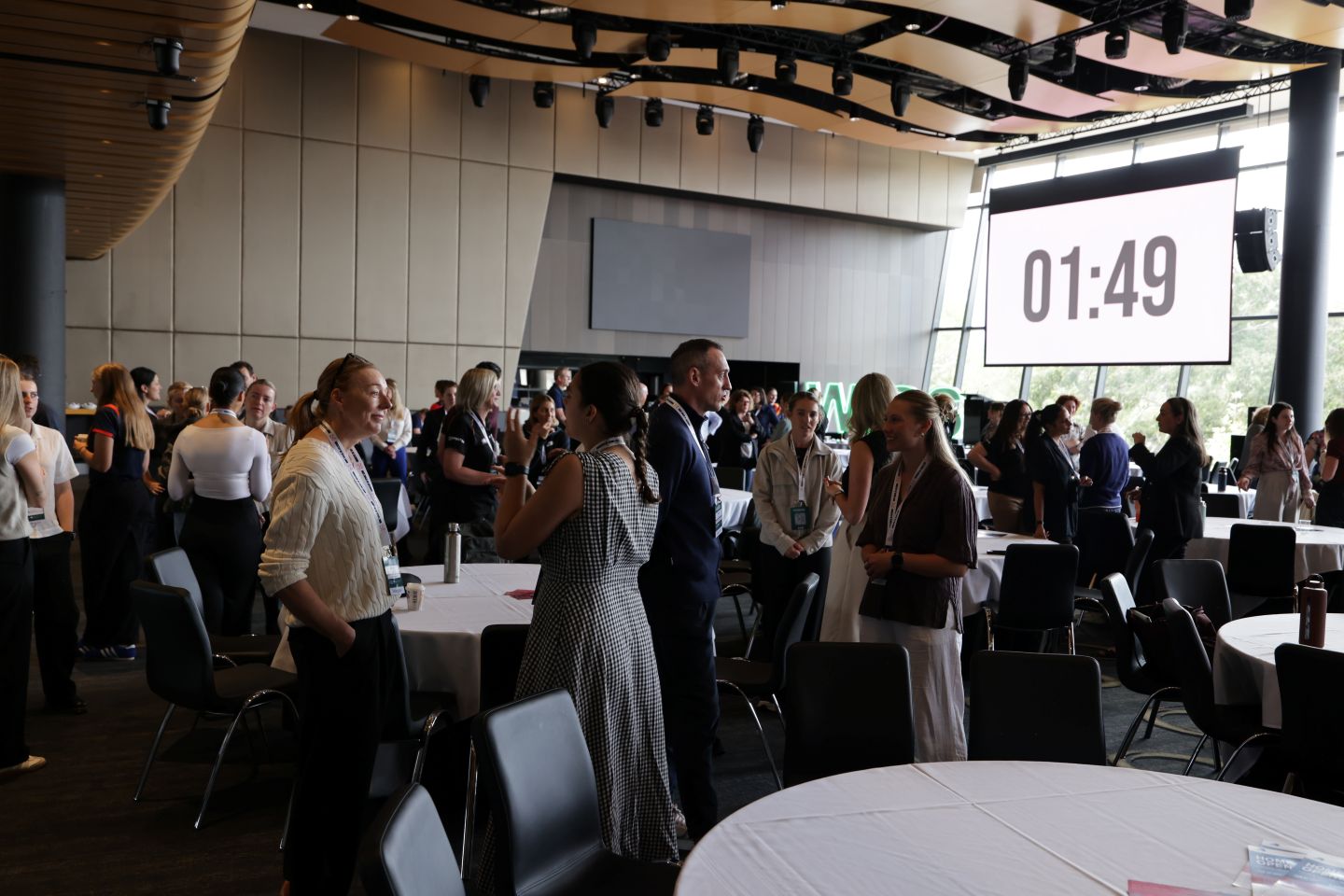
The closing sessions returned to how practitioners turn knowledge into better decisions.
Strength and conditioning specialist Kelly Penfold explored decision-making across the performance pathway in a session presented by VALD.
Nathan Reeves, Director and Company Secretary of the International Confederation of Sport and Exercise Science Practice, joined Dolphins NRL Sports Scientist Abby Ryan and Dr Hunter Bennett, Senior Lecturer in Exercise and Sport Science, for a discussion on translating science into competitive advantage.
The forum finished with an all-speaker super panel, opening the floor for delegates to question contributors across the day’s disciplines before continuing conversations through an industry connection reception.
From Brisbane 2032 legacy to the training environments available to young girls, the forum connected ambition with practical responsibility: listen closely, invest in preparation and give female athletes the support to realise their potential.
Don’t miss out on the latest in sports business – Subscribe today to the free Ministry of Sport newsletter and stay ahead of the game. For even more exclusive insights, event tickets, professional development and networking events, become a MoS Member today!.
Latest News





Similar Stories
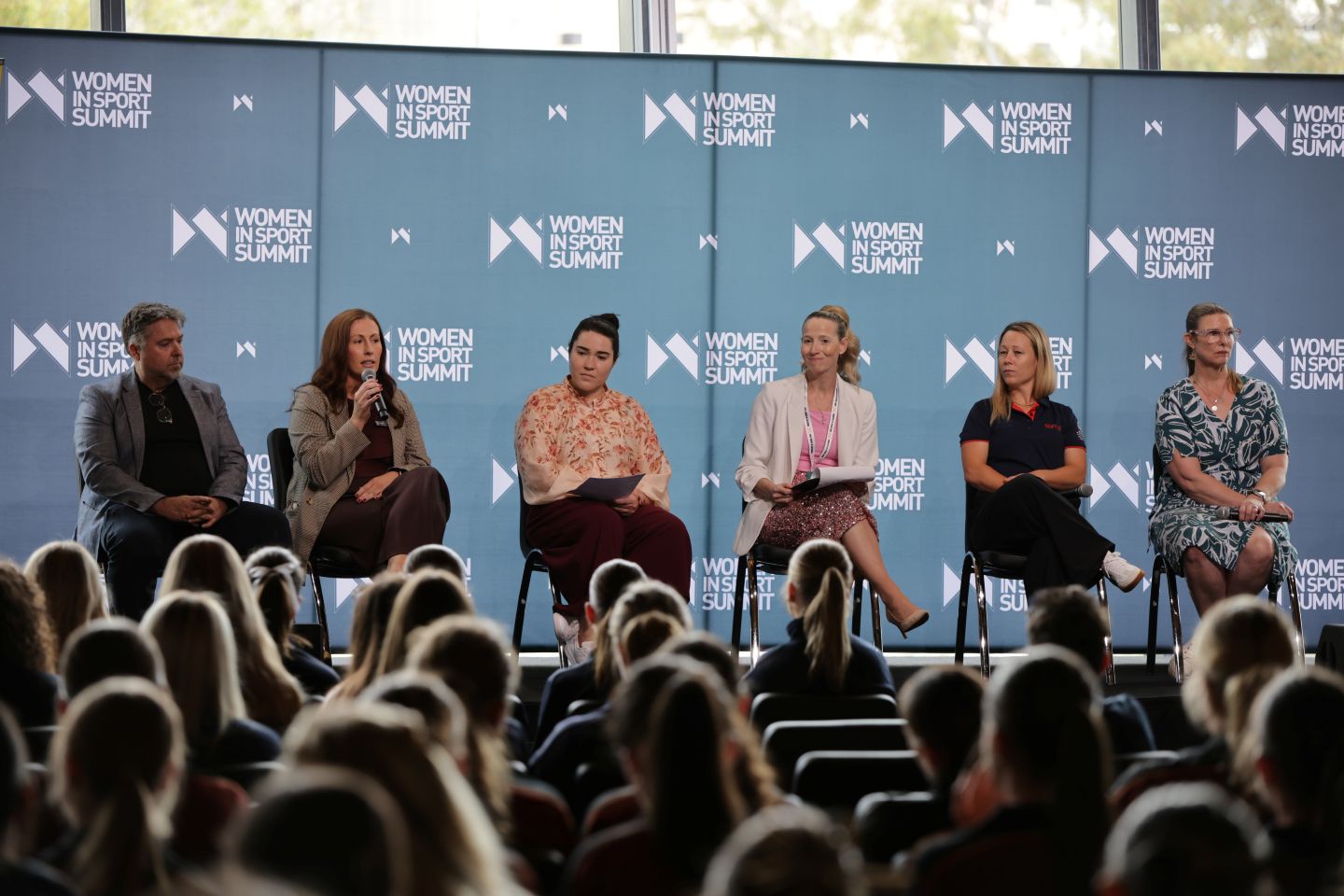
Futures Day Brings More Than 700 Students Inside the Future of Women’s Sport
Sporting leaders, industry voices and emerging career opportunities took centre stage at Adelaide...
Repco Supercars Championship Secures Five-Year Deal to Return to Phillip Island as Finals Series Venue from 2027
The Repco Supercars Championship will return to the Phillip Island Grand Prix Circuit...

Major Ticket Demand Signals Commercial Growth for ICC Men’s Cricket World Cup 2027
Global commercial and fan interest in the ICC Men’s Cricket World Cup 2027...
It's free to join the team!
Join the most engaged community in the Sports Business World.
Get all the latest news, insights, data, education and event updates.