


SASMA Chief Danielle Grant-Cross Demands Medical Education Drive to Bridge Female Sports Science Gap

South Australian Sports Medicine Association (SASMA) Chief Executive Officer Danielle Grant-Cross, has issued a call to action across the national sporting ecosystem, demanding a structured education drive to translate female-focused sports science research into sideline execution.
Speaking ahead of her appearance at the Women in Sport Summit 2026, the former Australian netball squad member highlighted that despite accelerating commercial interest in female athletics, systemic research deficits and governance hurdles continue to impact athlete welfare.
Addressing the Research Deficit
Highlighting the underrepresentation of female cohorts in high-performance medical literature, Grant-Cross emphasised that evidence-based frameworks must lead player health strategies.
“I think it’s been a very interesting space and from a sports medicine space which is what we’ve recognised there needs to be more research specific to women, so only 10 % of current research around sports medicine and injuries is around women.”
“So there is a big push to have more research and development in relation to women’s health.
“What I can also say on a positive note is I think there is lots of excellent evidence-based information available for women, more so than ever.
“But I do think it’s very important that we keep to evidence-based information to support women and their health,” Grant-Cross stated.
Education as the Strategic Bridge
To prevent research from remaining purely theoretical, Grant-Cross urged national and state sporting organisations to invest in consistent, practical education programs across both grassroots and professional ranks.
“I think education is the key for me.”
“So education, how do we take the policy, the research as you’ve just suggested and translate it to the sideline of everyday sport from a community and an elite level?
“I think that is education.
“Having clear, consistent messaging for people to be able to follow and for it to make sense.
“So I think that is the key that we all should be working on.
“How can we have evidence-based information and education available at every point through one sporting career from community to the elite levels,” Grant-Cross explained.
Governance and Commercial Acceleration
Linking medical governance to commercial viability, Grant-Cross advocated for stronger female representation across executive boards and media channels to drive visibility and commercial alignment.
“For it to be picked up commercially more, we need more visibility of what’s going on.”
“I think from a media perspective, really promoting the the awesome way that women play sport and what it brings to the community within Australia especially.
“I would just like to see more of that at every level of the game and I think that will really have a really important influence on community sport for everyone,” Grant-Cross said.
Looking toward the Summit, Grant-Cross stressed that medical governance remains a universal responsibility for sports administrators.
“Well really hope they’re inspired to work in the medical education and sporting area that I think medical governance, looking after people’s health and well-being is absolute paramount and we all have a role to play,” Grant-Cross said.
Don’t miss out on the latest in sports business – Subscribe today to the free Ministry of Sport newsletter and stay ahead of the game. For even more exclusive insights, event tickets, professional development and networking events, become a MoS Member today!.


Similar Stories

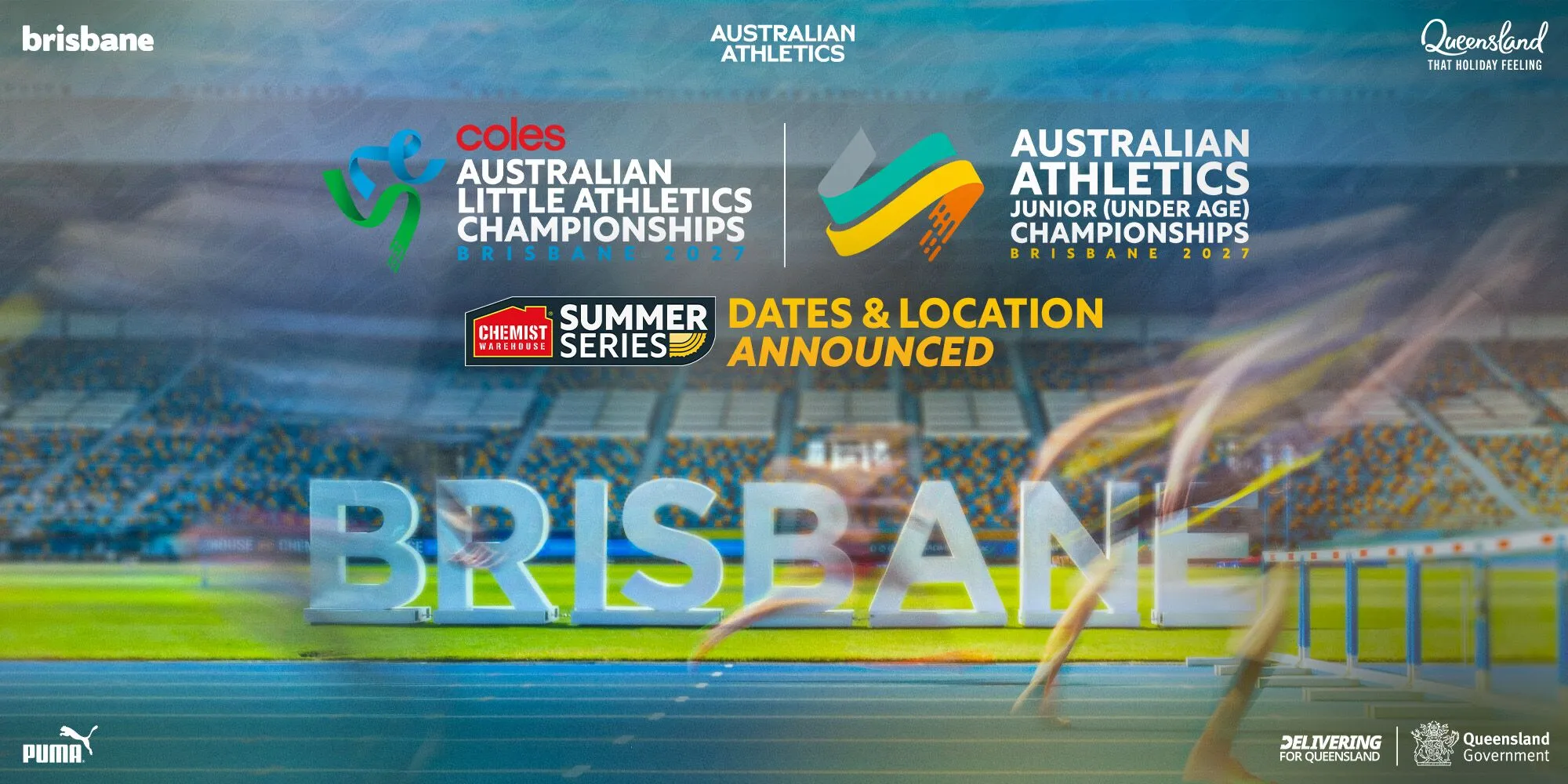
Australian Athletics Secures Brisbane Return for 2027 Junior and Little Athletics Championships
Australian Athletics has officially confirmed that the Australian Athletics Junior Championships and the...
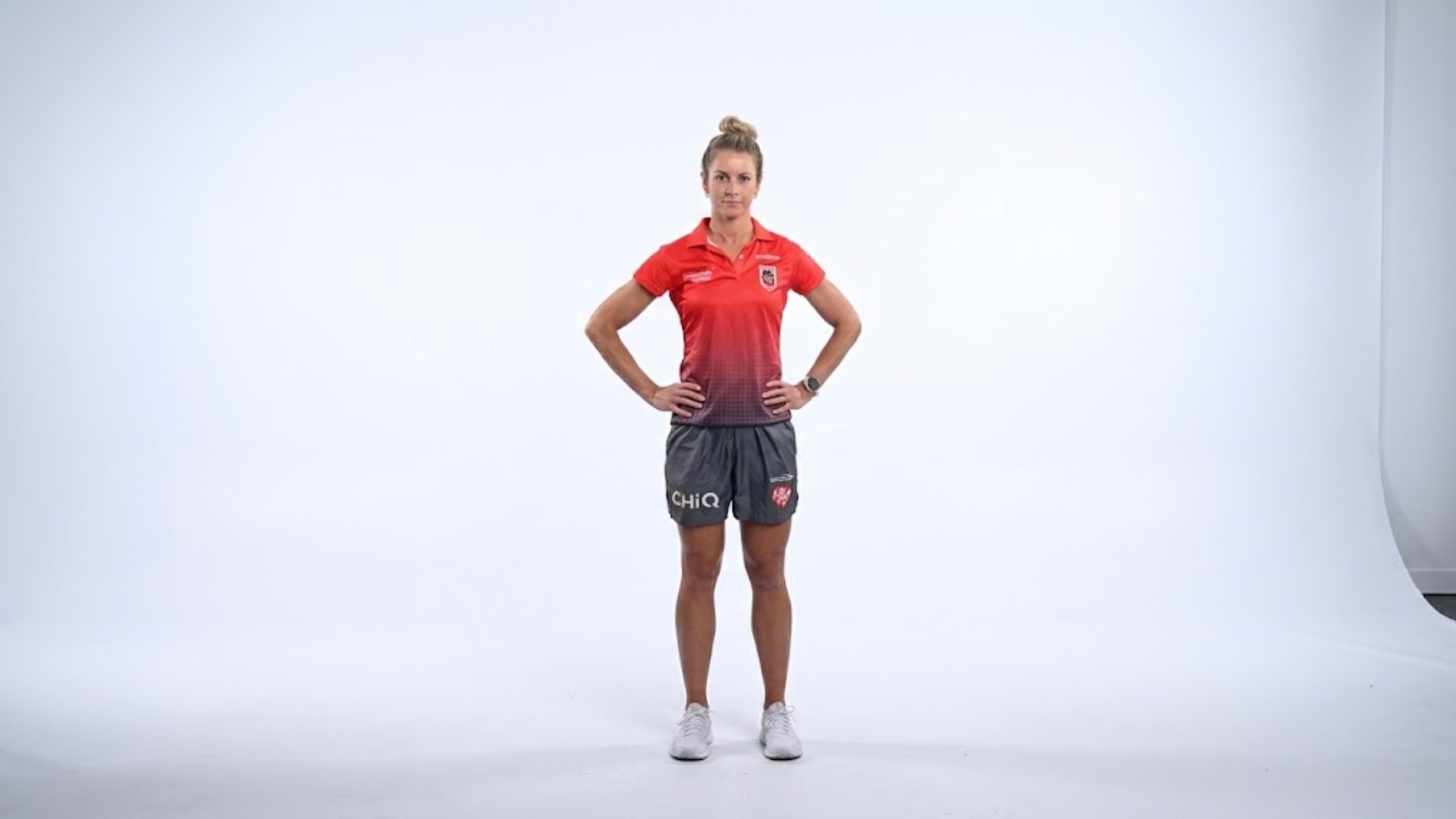
Kelly Penfold on the Evolution of Women’s Sport and the Push for Year-Round High-Performance Pathways
St George Illawarra Dragons speed and conditioning coach, Kelly Penfold, has called for...

Darah-Bree Bensen-Boakes on Why Elite Sport Must Move Beyond Male-Centric Recovery Models
Australian sporting organisations are facing growing commercial and high-performance pressure to modernise athlete...
It's free to join the team!
Join the most engaged community in the Sports Business World.
Get all the latest news, insights, data, education and event updates.