


NFL and NFPA to Negotiate on Game Agreements for International Expansion Beyond Ten Games
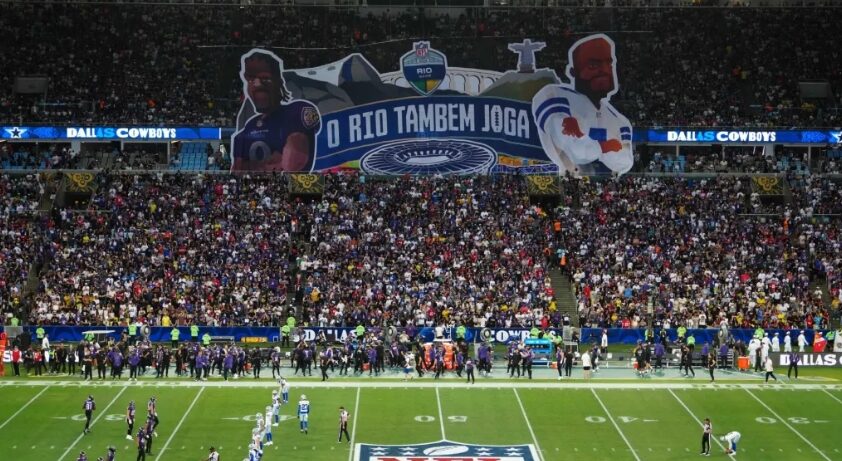
The National Football League (NFL) and its team owners face a hurdle in their ambitious global expansion plans, having yet to enter substantive discussions with the National Football Players Association (NFPA) regarding scheduling more than ten international fixtures per season.
While league executives and franchise owners eye an eventual cap of sixteen international games alongside a prospective eighteen-game regular season, the existing collective bargaining agreement explicitly mandates formal consultation and consent before exceeding the ten-game threshold.
Current regulatory provisions require the league to confer with the union on business justifications, player working conditions, health and safety, and logistical burdens before any expansion can proceed.
With the current multi-year labour agreement extending through the 2030 season, formal negotiations regarding schedule alterations remain on hold while newly elected NFLPA executive director JC Tretter concludes his team visitation tour.
The global series has already deployed fixtures across diverse international markets, including high-profile matchups in Melbourne, Rio de Janeiro, and a consecutive multi-week stint in London, before moving onward to Paris, Madrid, Munich, and Mexico City. However, balancing revenue generation with player welfare remains a central tension for the labour organisation as management pushes for deeper global market penetration.
Addressing the competing priorities of commercial growth and athlete welfare, NFLPA executive director,Tretter, emphasised that sustainable international expansion requires rigorous operations.
“The NFL has been clear they want to continue to grow the game internationally.”
“However, growth alone cannot be the goal. The goal has to be growing the game while maintaining the standards our players deserve.
“If we can’t do both, then we need to make different decisions,” Tretter noted.
Player representation remains divided regarding the tactical approach the union should adopt toward future scheduling concessions. Proponents of rapid global expansion argue that embracing international fixtures accelerates league revenues and brand exposure, with one industry agent noting, “Why hold out? Grow the game. Drive revenue.”
Conversely, player advocates caution against conceding ground without securing meaningful structural protections, noting the severe physical toll of long-haul travel.
“They should not just automatically say yes on that.
“Those games are an extra burden on players.
“The trip to Australia was not just an ordinary road game,” an agent observed.
As league administrators continue to evaluate multi-billion-dollar international media and commercial opportunities, future roster logistics and travel accommodations will require delicate collaborative alignment between team owners and the player union.
Ultimately, unlocking the next phase of the NFL’s global commercial strategy will depend heavily on whether upcoming labour consultations can reconcile aggressive revenue targets with uncompromising player health standards.
Don’t miss out on the latest in sports business – Subscribe today to the free Ministry of Sport newsletter and stay ahead of the game. For even more exclusive insights, event tickets, professional development and networking events, become a MoS Member today!.
Latest News




Similar Stories
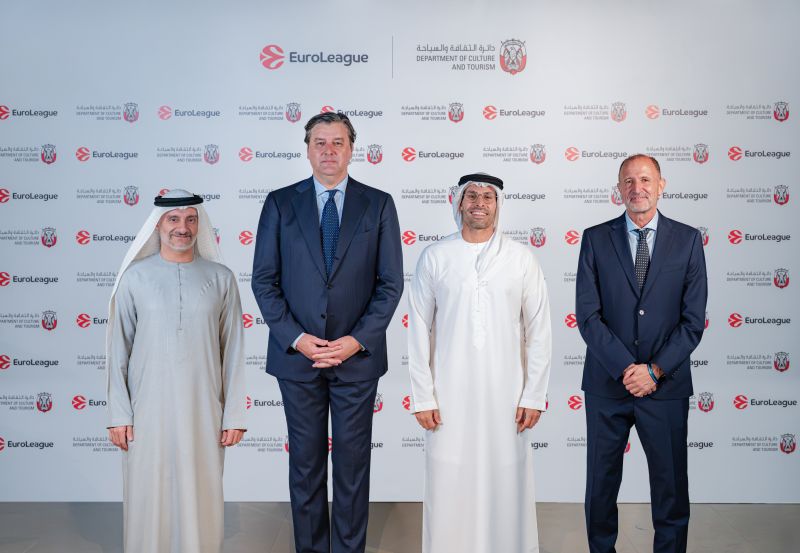
EuroLeague Final Four Locks In Abu Dhabi Return for 2027 and 2029 Seasons
The Department of Culture and Tourism – Abu Dhabi (DCT Abu Dhabi) and...

Golf Australia and the PGA of Australia Partners with The R&A to Reveal “Just Swing”
Golf Australia and the PGA of Australia have partnered with global governing body...

NRL Secures $115M Novotel Sydney International Airport Hotel
The National Rugby League (NRL) has entered the final stages of acquiring the...
It's free to join the team!
Join the most engaged community in the Sports Business World.
Get all the latest news, insights, data, education and event updates.