


How CRM-driven fan journeys are unlocking new revenue in sport
Sportz Interactive recently worked with a global sports franchise to use data-led personalisation as a direct revenue driver.
The campaign aimed to increase merchandise sales by segmenting fans into micro-cohorts, such as first-time app users, previous purchasers, and gaming participants.
Each group received tailored campaigns via email, push notifications, and in-app alerts. Messages coincided with match-day moments, player milestones, or product launches. For example, abandoned carts were followed up with gamified discounts, while previous season buyers were given early access to new jerseys.
The campaign, supported by real-time triggers, dynamic content modules, and A/B testing, generated merchandise sales totalling INR 4.8 million, with 10–15% directly attributed to CRM-led outreach. This result underscores CRM’s growing role in translating engagement into measurable business outcomes.
CRM Takes Centre Stage in Sports Revenue Strategies
As global sports consumption habits shift, the commercial conversation has moved from audience size to audience depth. For sports organisations, the priority is no longer how many fans they can reach, but how effectively they can engage and monetise them. Customer Relationship Management (CRM) systems are emerging as a core revenue tool in this transformation.
While digital content, social media, and gamification have long been used to strengthen fan connections, CRM is increasingly integrated into the commercial strategy of rights holders. The focus is on personalised communication at scale.
Commercial Implications for the Industry
The case demonstrates CRM’s potential beyond merchandise, with clear applications in ticketing, OTT subscriptions, and membership programs. In an environment where data privacy regulations are reshaping marketing, owning and leveraging first-party audience data is becoming a key asset for sports organisations.
Summarising the shift, CEO of Adelaide United, Nathan Kosmina, said: “Our purpose extends far beyond the pitch… By using football as a vehicle for social connection and opportunity, we’re proud to play a role helping newly arrived communities feel welcome and supported.”
For rights holders, the challenge will be integrating CRM not as an operational back-end, but as a central component of their monetisation model.
Strategic Takeaways
-
Behaviour-based segmentation can increase conversion rates.
-
Align campaign timing with high-emotion fan moments.
-
Embed CRM at the heart of revenue strategies, not just as a communications tool.
Don’t miss out on the latest in sports business – Subscribe today to the free Ministry of Sport newsletter and stay ahead of the game. For even more exclusive insights, event tickets, professional development and networking events, become a MoS Member today!.



Similar Stories

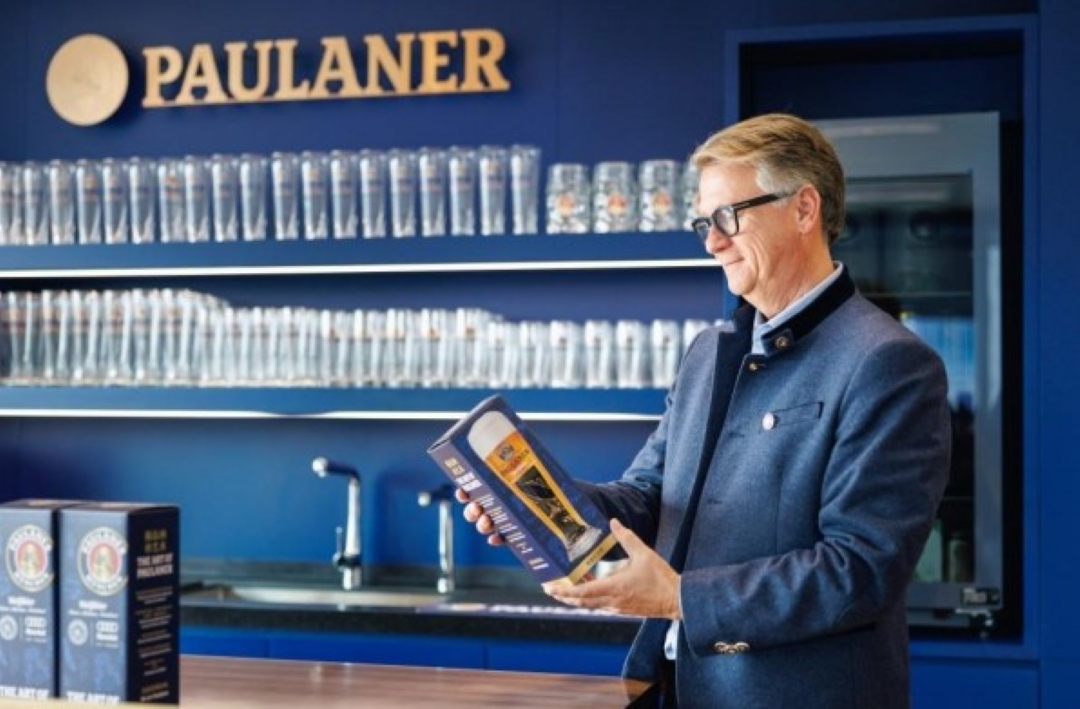
Paulaner Leverages Audi F1 Partnership to Target Top Premium Spot in China
390-year-old German brewery, Paulaner, has reported record-breaking growth in China, fueled by its...

QRU Records Seventh Straight Operating Profit
The Queensland Rugby Union (QRU) has fortified its position as one of the...

Rugby World Cup – World Rugby Reports Reveal £294.7m Financial Gain from RWC 2025
World Rugby has released two publications confirming that the Women’s Rugby World Cup...
It's free to join the team!
Join the most engaged community in the Sports Business World.
Get all the latest news, insights, data, education and event updates.