


IOC Announces New Sex-Based Eligibility Policy for LA28 Olympics
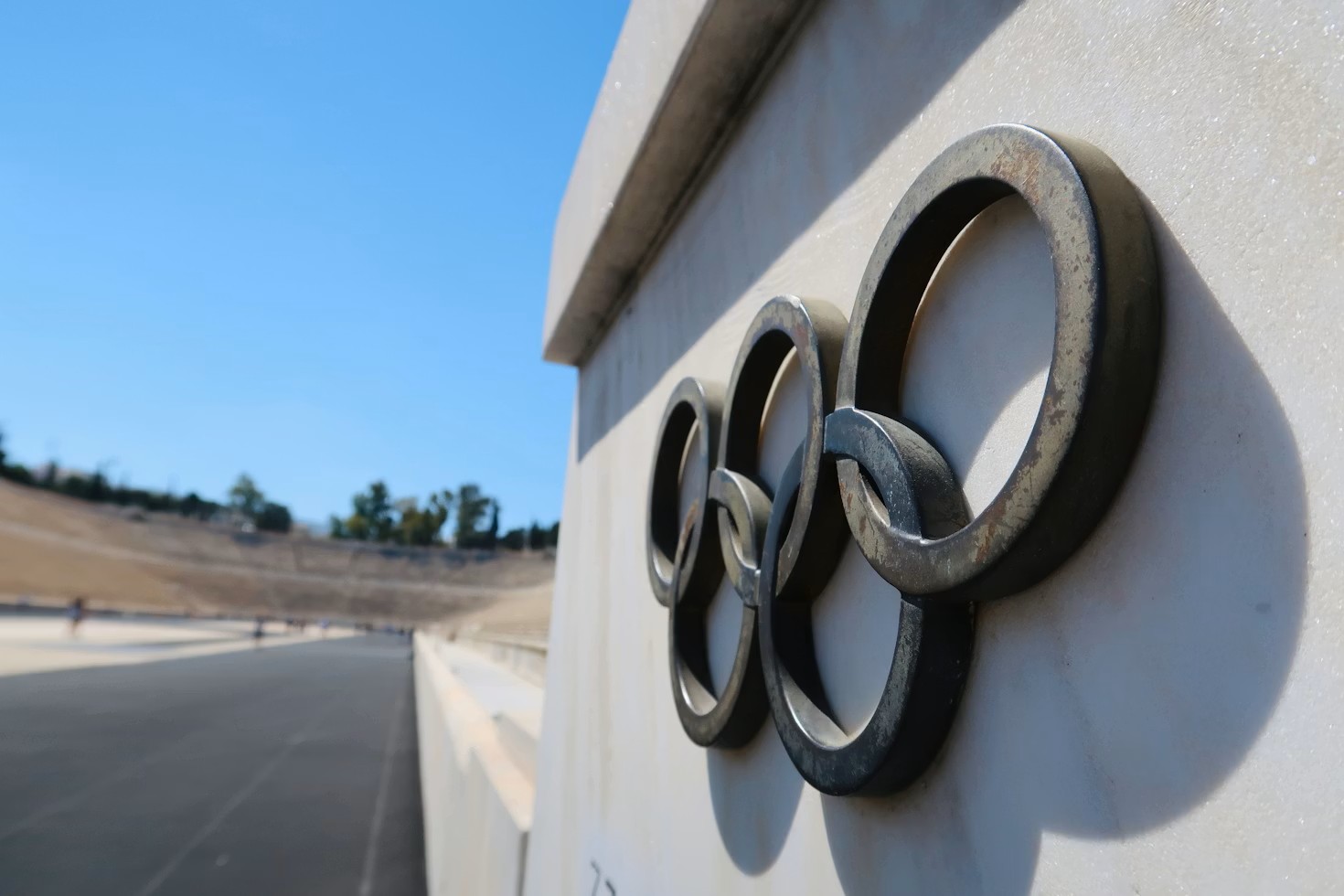
The International Olympic Committee (IOC) has officially introduced a landmark Policy on the Protection of the Female (Women’s) Category in Olympic Sport, set to take effect for the Los Angeles 2028 Olympic Games.
Approved by the IOC Executive Board on 26 March 2026, the policy restricts eligibility for the female category across all Olympic disciplines—both individual and team sports—to biological females only.
Under the new framework, eligibility will be verified via a one-time SRY gene screening (Sex-determining region Y). The IOC has identified this as the most accurate and least intrusive method to determine if an athlete has experienced male sex development. The test, which can be conducted via saliva, cheek swab, or blood sample, will generally be a “once-in-a-lifetime” requirement for athletes.
Stating that the policy is rooted in scientific consensus regarding male performance advantages in strength, power, and endurance, the first female to lead the organisation, IOC President Kirsty Coventry, said: “At the Olympic Games, even the smallest margins can be the difference between victory and defeat.”
“It is absolutely clear that it would not be fair for biological males to compete in the female category. In addition, in some sports, it would simply not be safe,” Coventry said.
Key Policy Provisions and Exceptions
The policy represents a significant departure from previous guidelines that allowed international federations to set their own testosterone-based or gender-identity rules:
- SRY-Negative Athletes: Those who screen negative permanently satisfy the eligibility criteria for the female category.
- SRY-Positive Athletes: Athletes with an SRY-positive screen, including XY transgender women and androgen-sensitive XY-DSD athletes, are ineligible for the female category.
- Inclusion Categories: SRY-positive athletes remain eligible for all other classifications, including male categories, designated male slots in mixed events, or “open” categories.
- Medical Exceptions: Rare exceptions apply to athletes with Complete Androgen Insensitivity Syndrome (CAIS) or other DSDs that preclude the anabolic or performance-enhancing effects of testosterone.
Development and Strategic Context
The policy is the result of a comprehensive review conducted between September 2024 and March 2026. This process included a scientific working group, legal consultations, and an online survey of over 1,100 athletes. The review found a “strong consensus” among female athletes in favour of biological sex-based eligibility to protect fairness and safety.
While the IOC maintains this was an internal priority, the timing aligns with broader geopolitical shifts, including recent executive orders in the United States regarding women’s sports.
Don’t miss out on the latest in sports business – Subscribe today to the free Ministry of Sport newsletter and stay ahead of the game. For even more exclusive insights, event tickets, professional development and networking events, become a MoS Member today!.
Latest News




Similar Stories

Brisbane 2032 Olympic and Paralympic Emblems Unvelied via Official YouTube Channel Preview
The official digital marketing rollout for the Brisbane 2032 Olympic and Paralympics experienced...
Brisbane 2032 Unveils First Emblem Piece in Regional Queensland Tour to Drive Statewide Engagement and Tourism Value
The Brisbane 2032 Olympic and Paralympic Games entered a new commercial phase today...
On Location Reveals LA28 Olympic Hospitality Packages
To commemorate the two-year countdown to the Opening Ceremony of the LA28 Olympic...
It's free to join the team!
Join the most engaged community in the Sports Business World.
Get all the latest news, insights, data, education and event updates.